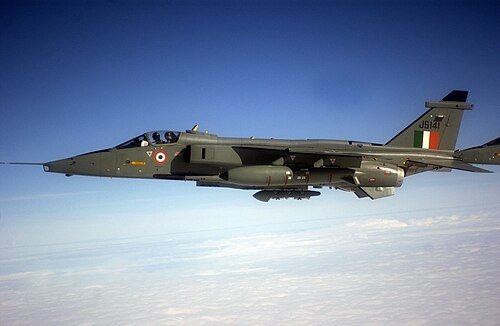
A critical shortage of spare parts for the ejection seats fitted to India’s Jaguar strike aircraft has emerged as an operational concern, according to reports. The supply gap threatens the readiness and safety protocols of one of the Indian Air Force’s primary ground-attack platforms.
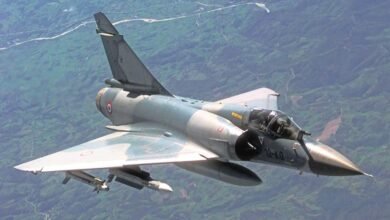
The Jaguar, known as the Shamsher in IAF service, has been a cornerstone of India’s tactical strike capability since the 1980s. The aircraft operates with Martin-Baker ejection seats, the same system used across multiple IAF fighter fleets including MiG-29s and Mirage 2000s. Ejection seat reliability directly impacts pilot survivability in emergency scenarios.
The IAF maintains a fleet of approximately 100 operational Jaguars across multiple squadrons stationed at air bases in central and eastern India. These twin-engine jets remain active in ground support, close air support, and precision strike roles despite their four-decade operational history. Spare parts availability has become increasingly critical as the fleet ages.
Ejection seat components require strict maintenance cycles and periodic replacement. These include parachute systems, rocket motors, sequencing timers, and harness assemblies. Any shortage in these high-reliability items directly affects aircraft availability rates and pilot confidence in emergency procedures.
India has previously faced similar logistical challenges with legacy platforms. The Jaguar fleet shares common procurement pathways with other IAF aircraft, relying largely on original equipment manufacturer supplies routed through formal defence contracts. Delays in clearance or delivery have periodically constrained operations across multiple aircraft types.
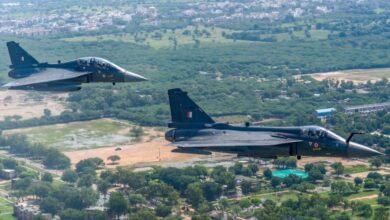
The issue underscores broader challenges in Indian defence procurement and inventory management for aging fleets. While the IAF continues inducting newer platforms like the Rafale and HAL Tejas, older aircraft like the Jaguar remain operationally essential and cannot be decommissioned until replacements reach full strength. This extended operational lifecycle creates sustained demand for spare parts across defence supply chains.
The Jaguar upgrade programme has focused on avionics and weapons integration, but airframe and life-support system component replenishment requires parallel attention. Ensuring pilot safety remains non-negotiable, particularly for systems as critical as ejection seats where failure rates cannot be tolerated.