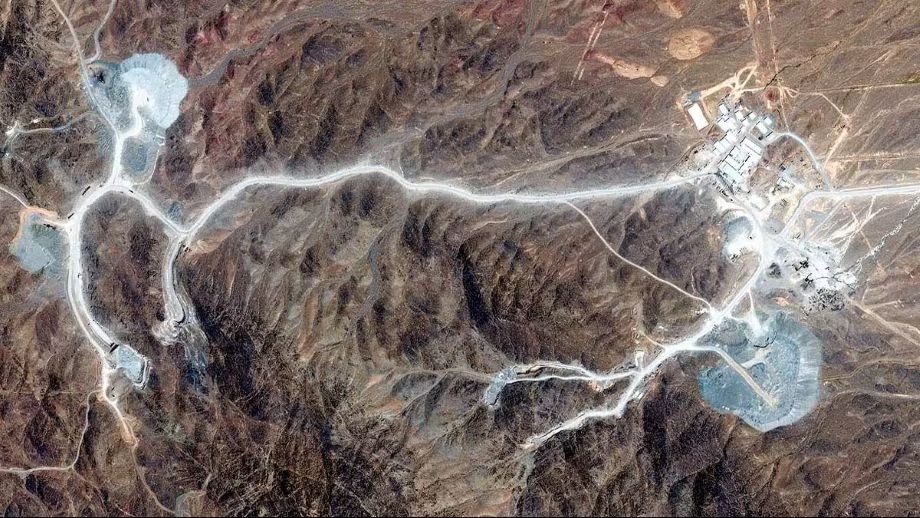
Israel believes Iran has relocated nuclear centrifuges to an underground facility inside a mountain. The move, if confirmed, would represent a significant escalation in Iran’s nuclear programme hardening efforts and complicate international monitoring of its uranium enrichment activities.
The alleged relocation underscores the persistent vulnerability of Iran’s nuclear infrastructure to detection and potential military strike. Israel has historically treated Iranian nuclear advancement as an existential threat, citing Iran’s ballistic missile development and regional proxy networks as compounding factors.
Iran’s nuclear programme has long been a focal point of international concern. The country operates multiple uranium enrichment facilities at Natanz, Fordow, and other sites under International Atomic Energy Agency scrutiny. The IAEA regularly inspects declared Iranian nuclear installations, though access to military sites and certain restricted areas remains contested between Tehran and international inspectors.
Centrifuges are the core technology for uranium enrichment. Iran operates thousands of centrifuges across its facilities, with successive generations offering improved enrichment capacity and efficiency. Moving sensitive equipment underground reflects Tehran’s assessment of the strike risk posed by Israel and potentially the United States.
The reported relocation coincides with broader regional tensions. Israel has conducted multiple air operations against Iranian targets in Syria and Iraq over recent years, establishing a pattern of military action against perceived nuclear and military threats. Iran has responded with drone and missile attacks, creating a cycle of escalation that influences Tehran’s infrastructure protection strategies.
For India, Iran’s nuclear trajectory carries strategic implications. New Delhi maintains energy partnerships with Tehran despite US sanctions, and views Iranian nuclear stability as relevant to broader Gulf security. India has consistently supported the Joint Comprehensive Plan of Action framework, believing negotiated limits on Iran’s programme serve regional stability better than confrontation.
The alleged underground facility demonstrates how nuclear programmes adapt to military pressure through hardening and dispersal. Similar patterns of concealment and redundancy characterize other regional nuclear programmes, shaping strategic competition across Asia and the Middle East.
-

-

-

-