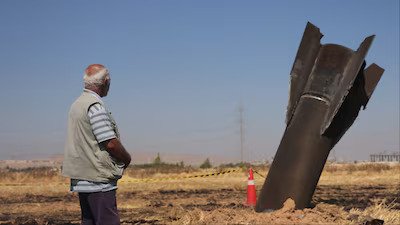
Iranian ballistic missile strikes on US military installations caused significantly greater structural and operational damage than initially reported by American officials, with rebuilding costs potentially running into millions of dollars, according to recent assessments.
The strikes, launched in April 2024 in response to Israeli airstrikes on Iranian soil, targeted two major US military bases in Iraq and Syria. While initial Pentagon statements downplayed the impact, subsequent damage assessments reveal that multiple buildings sustained direct hits, with critical infrastructure including ammunition storage facilities, command centers, and runway sections damaged or destroyed.
Iran’s Islamic Revolutionary Guard Corps (IRGC) deployed ballistic missiles including the Shahab-3 and Fateh-110 variants during the operation. The Shahab-3, with a range exceeding 2,000 kilometers and a 760-kilogram warhead, is capable of striking targets across the Middle East with high accuracy. The Fateh-110 series, a shorter-range tactical system with improved precision guidance, was also employed in the strikes.
From India’s strategic perspective, the operation underscores the evolving threat landscape in West Asia and the importance of missile defense systems. Indian defence planners have long monitored Iranian ballistic capabilities and their regional implications, particularly given India’s energy security interests in the Gulf and its defense partnerships with both Iran and Gulf Cooperation Council nations.
The damage assessments highlight vulnerabilities in hardening and dispersal strategies for forward-deployed military infrastructure. India’s own forward bases along border regions incorporate similar defensive design principles. The incident reinforces lessons already incorporated into Indian military base planning, including redundant command centers, hardened ammunition storage, and strategic dispersal of critical assets.
The financial impact of the strikes extends beyond immediate reconstruction. Operational disruptions, equipment replacement, and enhanced protective measures across US installations in the region will incur substantial additional costs. This mirrors cost overruns India has factored into its own base modernization programmes, particularly those addressing air defense and resilience to missile threats.
For India’s defence procurement strategy, the episode reinforces the relevance of air defense systems like the Akash missile family and the ongoing S-400 integration with IAF command structures. It also validates India’s investment in surveillance and early warning systems to detect and track ballistic threats from considerable distances.
The incident occurred during heightened regional tensions following the October 2023 conflict in Gaza and represented one of the most direct military exchanges between Iran and the United States in recent years, with broader implications for military planning across South Asia and the Indian Ocean region.
-

-

-

-