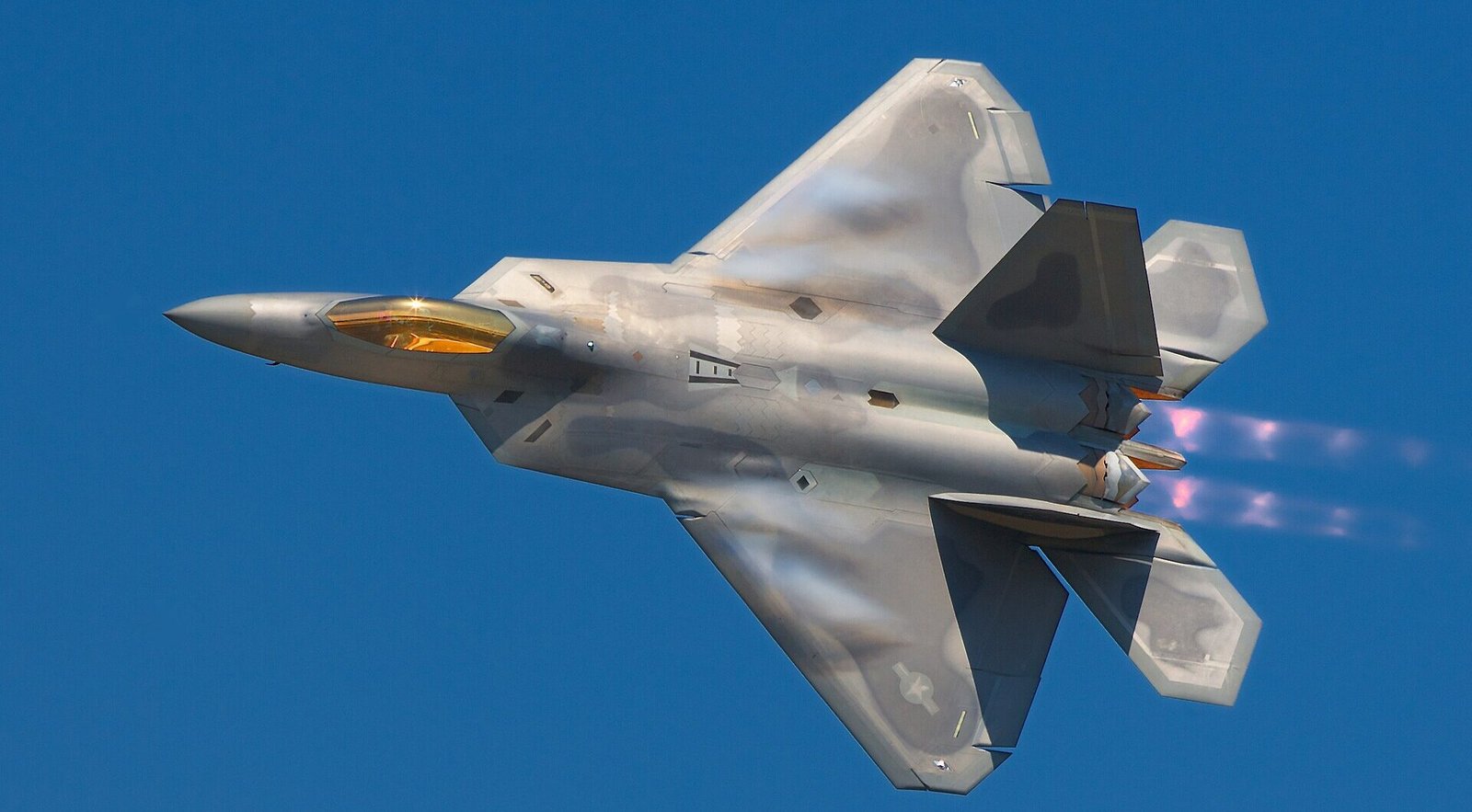
India and Israel could explore a new avenue of defence cooperation in advanced combat aviation as Israel considers the development of an indigenous stealth fighter and unmanned combat aircraft. Although no joint India-Israel stealth fighter programme has been officially announced, the emerging possibility comes at a time when both countries are strengthening their capabilities in next-generation military aviation.
Israel is reportedly working toward a long-term plan for developing a domestic stealth fighter, alongside an unmanned combat aerial vehicle. Such a programme would represent a major step in Israel’s efforts to expand its indigenous aerospace capabilities and reduce dependence on foreign combat-aircraft platforms.
India could potentially become a relevant technology and industrial partner because of its expanding fighter-development ecosystem. The country is pursuing the Advanced Medium Combat Aircraft (AMCA), its indigenous fifth-generation stealth fighter programme, while also building greater expertise in aircraft design, manufacturing, avionics and combat-system integration.
The two countries have complementary strengths that could make cooperation attractive. Israel has extensive experience in electronic warfare, sensors, avionics, radar and precision weapons, while India is developing capabilities in large-scale aircraft production and indigenous combat-aircraft design. Cooperation in selected technologies could therefore provide benefits without necessarily requiring the immediate creation of an entirely new joint fighter.
For India, engagement with Israeli aerospace companies could offer opportunities to strengthen specialised technologies that are important for future combat aircraft. Electronic warfare, sensor fusion, mission systems and unmanned technologies could be particularly relevant to India’s evolving fighter ecosystem.
Israel could also gain from closer cooperation with India’s expanding aerospace industry. India’s AMCA programme and wider push for domestic defence manufacturing could provide opportunities for industrial partnerships, technology development and production cooperation.
However, any future collaboration would involve major technical and strategic considerations. Stealth fighter development requires advanced work in low-observable airframe design, propulsion, sensors, software, electronic warfare and weapons integration. Technology-transfer arrangements, intellectual property and production responsibilities would also need to be resolved before a major joint programme could move ahead.
India’s existing AMCA roadmap would remain central to any potential cooperation. New Delhi has increasingly emphasized indigenous control over critical defence technologies, and any partnership with Israel would therefore need to complement India’s own fighter-development objectives rather than replace them. India’s current policy direction also continues to favor the AMCA over acquiring an imported fifth-generation fighter as an interim solution.
For now, an Indo-Israeli stealth fighter remains a potential area of cooperation rather than a confirmed defence project. Nevertheless, Israel’s interest in developing a future indigenous stealth platform and India’s progress toward the AMCA could create an opportunity for both countries to examine cooperation in advanced aerospace technologies.
If such cooperation develops, it could add a new dimension to India-Israel defence ties while helping both countries strengthen their capabilities in next-generation fighter systems, electronic warfare and unmanned combat aviation.
-

-

-

-