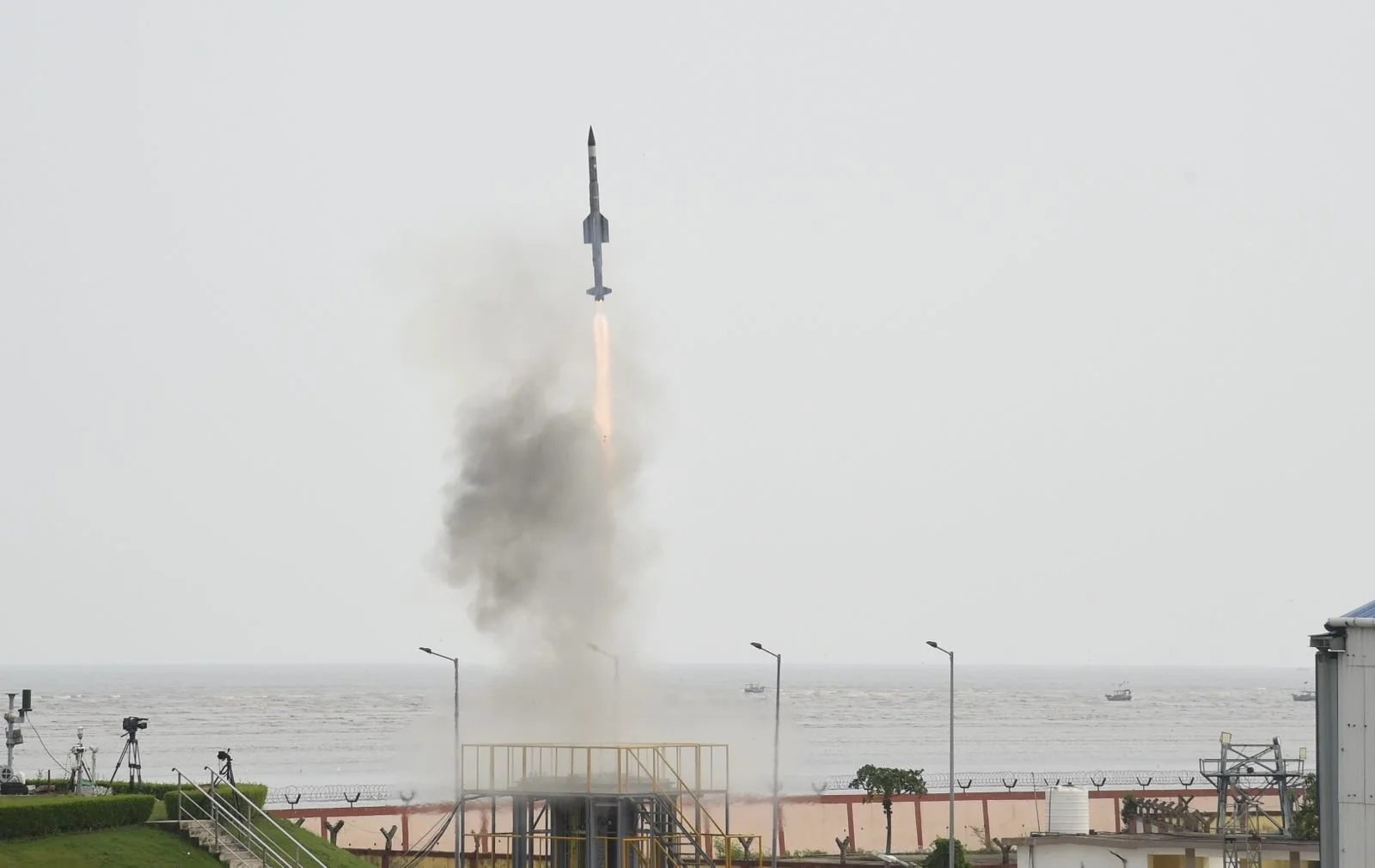
India’s defence exports have reached an all-time high of Rs 38,424 crore, marking a significant milestone in the government’s push to establish the country as a global defence manufacturing hub, according to recent data.
The surge reflects the impact of policy reforms over the past decade, including liberalised Foreign Direct Investment rules in the defence sector, streamlined licensing for private manufacturers, and aggressive promotion of Indian-made systems to friendly nations across the Indo-Pacific and beyond.
India’s defence export strategy centres on three pillars: indigenous platforms developed by DRDO and ordnance factories, private sector manufacturing through licensed production and joint ventures, and co-development partnerships with strategic allies. This diversification has enabled Indian defence companies to compete in multiple segments simultaneously.
The record comes as India shifts from being primarily a defence importer to a net exporter. A decade ago, annual defence exports stood at just Rs 2,000 crore. The nearly 19-fold increase reflects both rising global demand for affordable, proven military systems and India’s capacity to scale production.
Key contributors to export growth include ammunition and small arms ammunition, coastal surveillance systems, electronic warfare suites, and naval platforms. Private sector players like Bharat Electronics Limited, Hindustan Aeronautics Limited, and Larsen and Toubro have expanded their international footprints, securing contracts with Southeast Asian navies, African air forces, and Middle Eastern nations seeking non-aligned defence partnerships.
DRDO-developed systems command growing international interest. Portable inertial navigation systems, unmanned aerial vehicles for surveillance and reconnaissance, and air defence radar systems have found buyers across friendly nations. India’s emphasis on technology transfer and local assembly has made its offerings attractive to countries seeking self-reliance in defence production.
The government’s National Security Strategy explicitly targets defence exports to reach Rs 50,000 crore by 2025 and Rs 1,75,000 crore by 2030. This requires sustained investment in R&D, quality assurance frameworks, and export promotion infrastructure. The Defence Innovation Hub and Defence Industrial Corridor initiatives aim to create ecosystem clusters that integrate startups, MSMEs, and established manufacturers.
India’s competitive advantage rests on cost-effectiveness without compromising performance, proven reliability in challenging operational environments, and willingness to customise platforms to buyer specifications. This positions India as an alternative to traditional Western suppliers, particularly for nations facing price barriers or political constraints.
The export surge also strengthens India’s hand in bilateral defence relationships and provides sustained funding for modernisation of domestic armed forces through offset arrangements and technology partnerships embedded in major export contracts.
-

-

-

-