India’s indigenous defence technology programme is moving forward with another important development as the Bhargavastra counter-drone system approaches its next phase of testing. Developed by Solar Defence and Aerospace Limited (SDAL), the system is expected to undergo final internal trials at the Pokhran firing range in Rajasthan. The company is targeting January 2027 for handing over the platform to the Indian Army, potentially two months ahead of the March 2027 timeline stipulated by the Army.
The planned trials will play an important role in assessing the integrated system before it moves towards the next stage of evaluation and potential induction. Bhargavastra has been designed to address the increasing threat posed by unmanned aerial vehicles, particularly coordinated drone swarms, weaponised drones and loitering munitions. These relatively inexpensive aerial platforms have become an important concern for modern armed forces because they can be deployed in large numbers and create challenges for conventional air-defence systems.
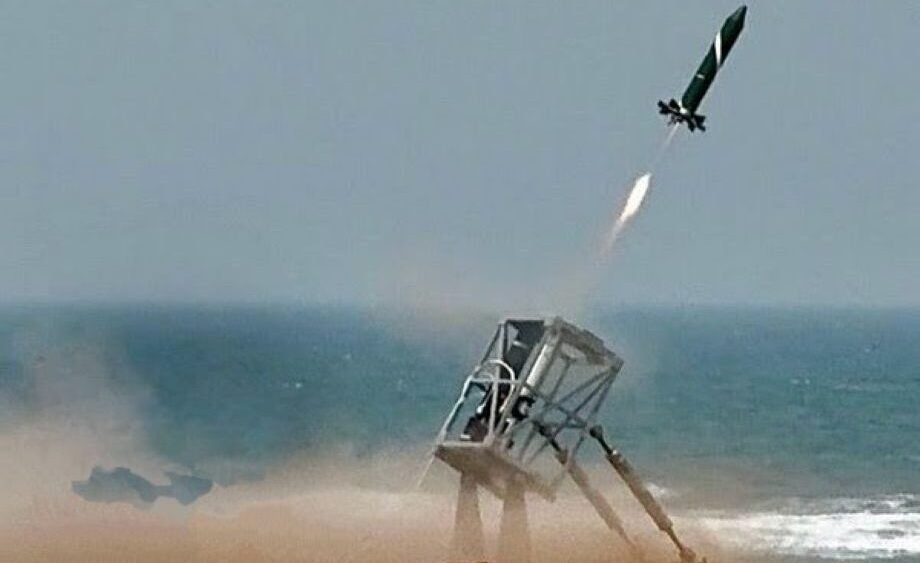
Unlike systems that depend entirely on electronic jamming or signal disruption, Bhargavastra uses a hard-kill interception approach. Its architecture combines unguided micro-rockets with precision-guided micro-missiles to provide different engagement options against incoming aerial threats. This layered design is intended to improve the ability to respond to multiple targets while keeping interception costs comparatively economical.
The system also incorporates several detection and tracking technologies. Its configuration includes radar, Electro-Optical Tracking Systems (EOTS), passive radio-frequency sensors and an integrated Command, Control, Communication and Intelligence (C4I) architecture. These components are designed to identify approaching drones, monitor their movements and coordinate interception through the associated launcher platform.
According to information attributed to SDAL, the radar has a detection capability of up to 10 kilometres, while the electro-optical tracking system can operate at distances of approximately six kilometres. The developer has also been working on a micro-missile with a six-kilometre engagement range, extending beyond the Indian Army’s stated requirement of 2.5 kilometres. These figures represent the company’s reported system capabilities and development targets rather than independently established operational performance.
SDAL Chairman Satyanarayan Nuwal has previously highlighted the progress made in testing the system’s major components, including its micro-missiles, radar and electro-optical equipment. The Indian Army and Navy have also had opportunities to observe the platform’s development and capabilities. Earlier demonstrations and component-level trials have helped move the programme towards a more integrated configuration.
The project is being developed under the Ministry of Defence’s Make-II framework, which encourages Indian industry to develop defence equipment through privately funded initiatives. Its progress reflects the growing contribution of domestic defence manufacturers to India’s efforts to reduce dependence on imported military technologies.
Bhargavastra is also being discussed in connection with India’s broader Sudarshan Chakra air-defence vision. Nuwal has expressed confidence that the technologies developed through this programme could contribute to a future multi-range air-defence capability.
The planned Pokhran trials and January 2027 handover target will therefore be important milestones for the programme. However, the final timeline will depend on the outcome of testing, evaluation and the required Army procedures. If the development schedule is achieved, Bhargavastra could become a significant addition to India’s indigenous counter-drone capabilities, strengthening the country’s preparedness against increasingly sophisticated aerial threats.
-

-
-

-