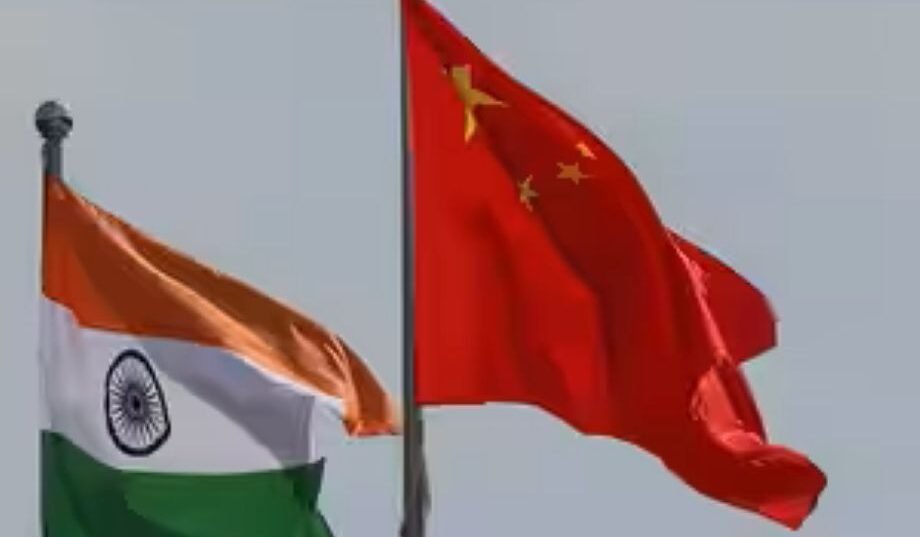
India has officially assigned standard names to 27 locations and geographical features in Arunachal Pradesh, reinforcing its territorial and administrative position in the strategically important northeastern state amid continued differences with China.
The latest exercise covers 21 land areas, four mountain passes, a lake and a monument. The names have been incorporated into India’s official geographical records, providing standardised references for the locations under Indian administration.
The move comes against the backdrop of China’s repeated attempts to assign its own names to places in Arunachal Pradesh. Beijing claims the Indian state as part of what it calls “Zangnan”, a position that India has consistently rejected. New Delhi maintains that Arunachal Pradesh is an integral part of India and that China’s unilateral attempts to rename locations cannot alter their status.
China has strongly objected to India’s latest naming exercise, calling it invalid and reiterating its claim over Arunachal Pradesh. Beijing has maintained that changing geographical names cannot change what it considers its territorial position.
India’s decision is significant because the India-China border dispute extends beyond military deployments and diplomatic negotiations. Official maps, geographical records and place names have increasingly become part of the broader contest over territorial claims and administrative control.
By formally recording the 27 locations under Indian-recognised names, New Delhi is reinforcing consistency across its official mapping and administrative records. The move also counters China’s previous efforts to introduce alternative names for locations in the state.
Arunachal Pradesh remains one of the most sensitive areas in India-China relations because of Beijing’s longstanding territorial claim and the state’s location along the disputed Line of Actual Control. India has continued to strengthen infrastructure and administrative connectivity in the region while maintaining its position on the boundary dispute.
The latest exchange between New Delhi and Beijing highlights the continuing importance of Arunachal Pradesh in the wider India-China strategic relationship. While military preparedness, border infrastructure and diplomatic talks remain central to managing the dispute, the competing use of geographical names has emerged as another way for both countries to communicate their respective territorial positions.
India’s latest move therefore represents more than a change in geographical nomenclature. It is a reaffirmation of New Delhi’s position that locations administered by India in Arunachal Pradesh will continue to be identified according to Indian official records, despite China’s opposing claims.
With both countries maintaining their established positions on the boundary issue, Arunachal Pradesh is expected to remain a key focus of India’s national security and foreign policy considerations.
-

-

-

-