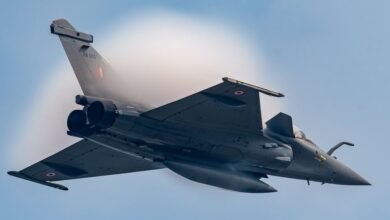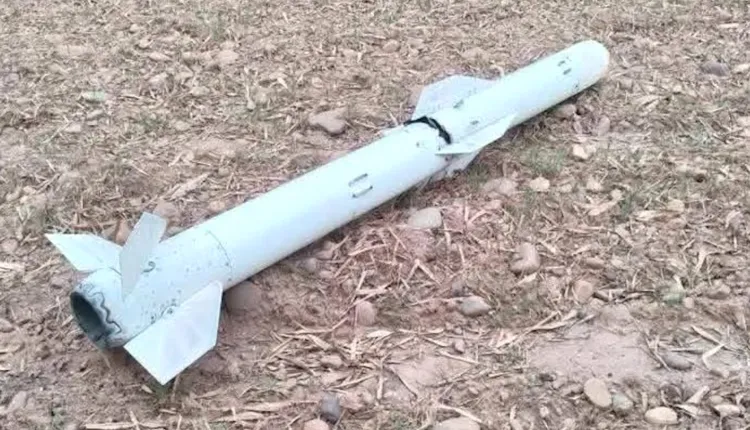
The Defence Research and Development Organisation has decoded the Chinese PL-15E air-to-air missile, according to reports circulating in defence circles. The alleged examination is being presented as a potential contributor to enhanced electronic warfare capabilities across India’s fighter fleet, including the Rafale, Tejas, and Sukhoi platforms.
The PL-15E is the extended-range variant of China’s PL-15 active radar-guided missile, a system that entered service with the People’s Liberation Army Air Force around 2013. The missile carries a reported maximum engagement range exceeding 100 kilometres in optimal conditions, employing mid-course inertial guidance and terminal active radar homing.
Understanding adversary missile guidance architecture, seeker design, and electronic countermeasure vulnerabilities forms a core function of India’s electronic warfare research establishments. DRDO’s Centre for Airborne Systems (CABS) and Radar Development Establishment (RDE) have long prioritised reverse-engineering and defensive analysis of threat systems to inform upgrades to India’s own air defence networks and tactical aircraft self-protection suites.
The Rafale fleet, operationalised since 2020, already carries the Spectra electronic warfare management system and Mica air-to-air missiles. Any insights from PL-15E analysis would likely feed into threat library updates and evasion protocols for India’s fighter pilots rather than into immediate weapons modifications.
The Tejas Mark 1A, now entering service with the Indian Air Force, includes an integrated electronic warfare suite designed by DRDO’s Bangalore divisions. The Mark 1A airframe incorporates provisions for rapid integration of improved self-defence systems as threat intelligence matures. Enhanced understanding of Chinese missile seeker characteristics would directly support refinement of the Tejas’ active and passive countermeasure strategies.
The Su-30MKI fleet, which forms the backbone of India’s air superiority operations, has undergone multiple avionics and electronic warfare upgrades over the past decade. Sukhoi India Limited and HAL have progressively integrated improved radar warning receivers, chaff-flare dispensers, and jamming systems. Fresh intelligence on PL-15E characteristics would inform the next generation of upgrade packages being conceptualised for the platform.
India’s air defence posture has been shaped by the February 2019 Balakot air strikes and subsequent Pulwama tensions, which accelerated classified reviews of fighter vulnerability. Analysis of live threat systems remains a cornerstone of DRDO’s defensive modernisation roadmap, though public disclosure of such work remains constrained by operational security doctrine.
The claim underscores India’s reliance on technical intelligence gathering and reverse-engineering capacity to narrow capability gaps with Chinese aviation systems, a priority reinforced by the 2020 border standoff in Ladakh and ongoing air force modernisation strategies.
-

-
-
-