
China Unlikely to Deliver J-35 Stealth Fighters to Pakistan Soon Despite Growing Speculation
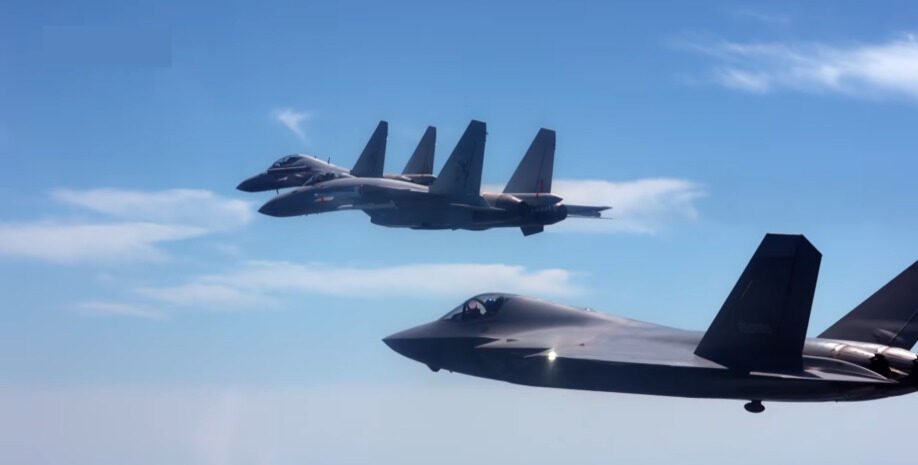
Rumours surrounding the possible induction of China’s J-35 stealth fighter into the Pakistan Air Force (PAF) have intensified in recent months. However, defence experts believe that any such deal is unlikely to materialize in the near future. While China and Pakistan maintain one of the closest defence partnerships in Asia, the export of a fifth-generation stealth aircraft involves far greater strategic considerations than conventional military sales.
The J-35 is among China’s newest combat aircraft, developed with advanced stealth shaping, modern avionics, sensor fusion, and network-centric warfare capabilities. Although Beijing has exported several major defence platforms-including the JF-17 Thunder, armed drones, and advanced air defence systems-it has remained cautious about transferring its most sensitive military technologies abroad. Analysts suggest that protecting classified systems and preserving technological superiority remain key priorities for the Chinese military.
Another important factor is China’s own operational requirements. The People’s Liberation Army Air Force (PLAAF) is still expanding its fleet of next-generation fighters as part of a broader military modernization program. Before considering exports, Beijing is expected to ensure that its domestic forces receive adequate numbers of these aircraft to meet national defence objectives.
Security concerns also play a significant role. Advanced stealth fighters contain highly sophisticated radar-evading designs, electronic warfare suites, mission computers, and encrypted communication systems. Allowing such technology to operate outside Chinese control increases the possibility of intelligence collection by rival nations, something Beijing is likely keen to avoid during the aircraft’s early years of service.
Regional strategic dynamics further complicate the issue. Introducing a fifth-generation stealth fighter into South Asia could significantly alter the regional air power balance and accelerate military modernization across neighbouring countries. China may prefer to avoid triggering an arms race while maintaining flexibility in its broader foreign and defence policies.
Pakistan continues to modernize its air force with Chinese-built platforms, and defence cooperation between the two nations remains strong. However, no official agreement has been announced regarding the acquisition of the J-35, and reports suggesting imminent deliveries remain unconfirmed.
While the possibility of Pakistan eventually becoming an export customer cannot be ruled out, most defence observers believe the J-35 will remain under Chinese operational control for the foreseeable future. Any future export decision is likely to depend on China’s production capacity, strategic priorities, technology protection policies, and the evolving security environment in the Indo-Pacific region.



Facebook Comments