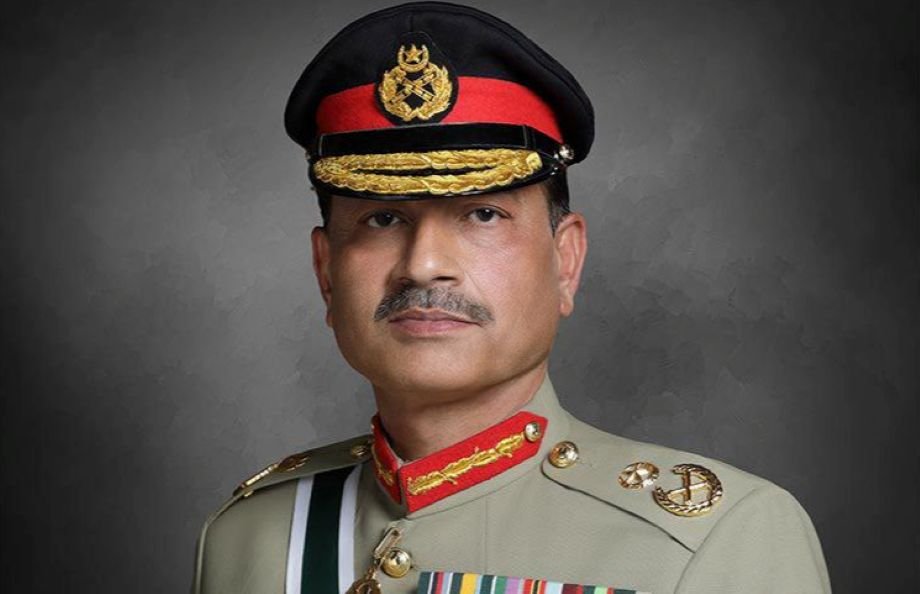
Pakistan has intensified its diplomatic efforts to ease the ongoing US-Iran confrontation, with Field Marshal Asim Munir completing a high-level visit to Tehran aimed at breaking the deadlock between Washington and Tehran.
Munir travelled to Iran alongside Pakistan’s Interior Minister Mohsin Naqvi and held meetings with several senior Iranian leaders, including President Masoud Pezeshkian, Parliament Speaker Mohammad Bagher Ghalibaf, Foreign Minister Abbas Araghchi, Interior Minister Eskandar Momeni and Mohsen Rezaei, the Supreme Leader’s representative on the Supreme National Security Council. The visit was presented by Islamabad as part of its wider efforts to promote regional peace and stability.
The talks focused on preventing further escalation, finding a negotiated settlement to the conflict and restoring stability across the region. A key issue was the Strait of Hormuz, where continued disruption to shipping has raised concerns over energy supplies and global economic stability. Pakistani officials have been seeking ways to support the reopening of the strategic waterway while encouraging Washington and Tehran to return to dialogue.
Munir’s visit comes at a particularly sensitive time in relations between the United States and Iran. Washington has been preparing additional sanctions against Tehran, while Iranian officials have warned of further retaliation and opposed increasing economic pressure. The confrontation has also placed significant pressure on shipping through the Strait of Hormuz, one of the world’s most important energy routes.
Pakistan has increasingly positioned itself as an intermediary between the two sides. Islamabad previously helped facilitate a temporary ceasefire and has continued efforts to keep communication channels open between Washington and Tehran. The latest Tehran visit represents another attempt to revive a diplomatic process that has repeatedly stalled amid renewed military and economic pressure.
Munir’s engagement also follows his reported conversation with US President Donald Trump before the Tehran trip. Trump urged Pakistan to use its influence to encourage Iran to return to negotiations, highlighting Islamabad’s unusual position of maintaining working channels with both Washington and Tehran.
Iranian leaders have welcomed Pakistan’s diplomatic involvement. According to Pakistan’s military media wing, Iranian officials expressed appreciation for Islamabad’s efforts to facilitate dialogue, reduce tensions and support a peaceful resolution. The discussions therefore went beyond bilateral Pakistan-Iran relations and centred heavily on the broader regional crisis.
For Pakistan, the mediation effort carries important strategic implications. Islamabad shares a border with Iran and has direct security and economic interests in preventing the conflict from spreading across the region. Any prolonged disruption around the Strait of Hormuz could also affect energy markets, shipping and countries dependent on supplies moving through the Gulf.
The challenge for Pakistan will be converting its diplomatic access into meaningful negotiations. Deep differences between Washington and Tehran remain, while the continuing sanctions and military tensions have made trust between the two sides difficult to rebuild. Still, Munir’s Tehran visit demonstrates that Islamabad is seeking to remain an active diplomatic channel as international efforts focus on preventing a wider regional escalation.
With the latest talks, Pakistan has once again placed itself in a position to carry messages between the United States and Iran. Whether this renewed mediation can produce a lasting diplomatic breakthrough will depend on the willingness of both sides to move towards de-escalation and a negotiated settlement.
-

-

-

-