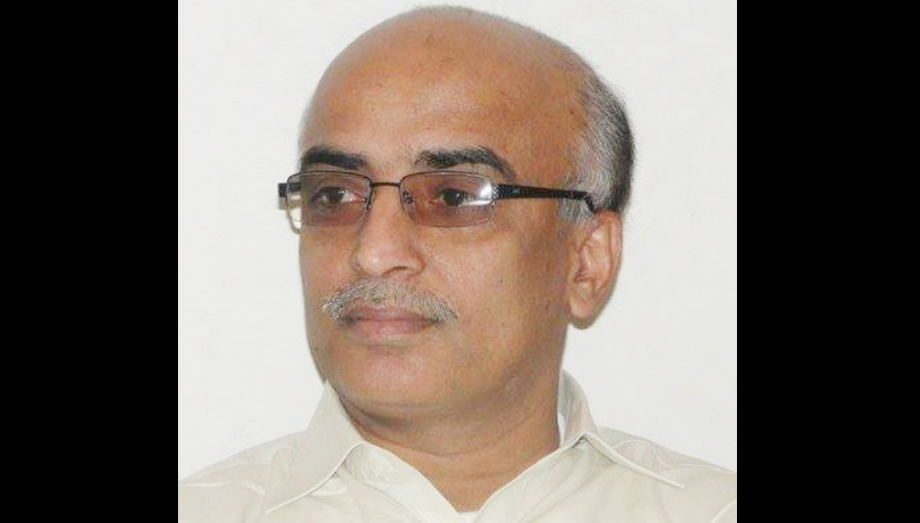
Berlin, November 13, 2026: Jeay Sindh Muttahida Mahaz (JSMM) Chairman Shafi Burfat has launched fresh criticism of Pakistan’s military establishment, accusing it of exploiting the natural resources and political rights of smaller national communities to maintain its political and economic influence. He has also warned that the consequences of the country’s military-dominated system could eventually affect ordinary people in Punjab.
In a recent statement shared on social media platform X, Burfat alleged that Pakistan’s military and political leadership had built a powerful institutional structure by drawing resources and economic benefits from regions such as Sindh, Balochistan and Khyber Pakhtunkhwa. He argued that these areas have faced political marginalisation while their natural wealth and resources have been used to strengthen the country’s central power structure.
According to Burfat, the military establishment’s influence extends beyond national security and defence matters, affecting the political and economic development of different regions. He claimed that the control of land, water resources, minerals and political authority in these territories has frequently been justified through national security arguments, while the concerns of local communities have received insufficient attention.
The JSMM chairman further alleged that international financial assistance and strategic partnerships have also contributed to sustaining Pakistan’s military establishment. He questioned the role of global powers in supporting the country’s military structure, arguing that external financial assistance and geopolitical cooperation have helped maintain an unequal political and economic arrangement.
Burfat also directed his criticism towards sections of Punjabi society that consider the Pakistan Army a symbol of national pride and security. He argued that public support for military institutions should not prevent people from questioning their political influence, financial priorities and accountability.
In his statement, he warned that an institution which allegedly maintains its power through the exploitation of other communities could eventually create serious economic and political difficulties for the population it claims to protect. He specifically highlighted the possibility that ordinary people in Punjab could face the consequences through rising inflation, unemployment, poverty, economic deprivation and restrictions on civil liberties.
He also challenged the perception that a strong military automatically guarantees national stability. According to Burfat, military dominance and the suppression of political rights in smaller regions could create long-term divisions and weaken the country’s overall economic and social structure.
His remarks reflect the continuing political tensions surrounding provincial autonomy, resource distribution and the role of the military in Pakistan’s civilian affairs. Questions concerning the distribution of natural resources, constitutional rights and regional representation have remained significant issues in Pakistan’s domestic political landscape.
Burfat concluded his criticism by arguing that the long-term consequences of military dominance could extend beyond the regions currently raising concerns about political and economic marginalisation. He suggested that Punjab’s population could also experience the impact of policies that, in his view, have placed institutional interests above public welfare.
The latest statement adds another dimension to the ongoing debate over Pakistan’s military influence, regional inequality and the political rights of its smaller communities.