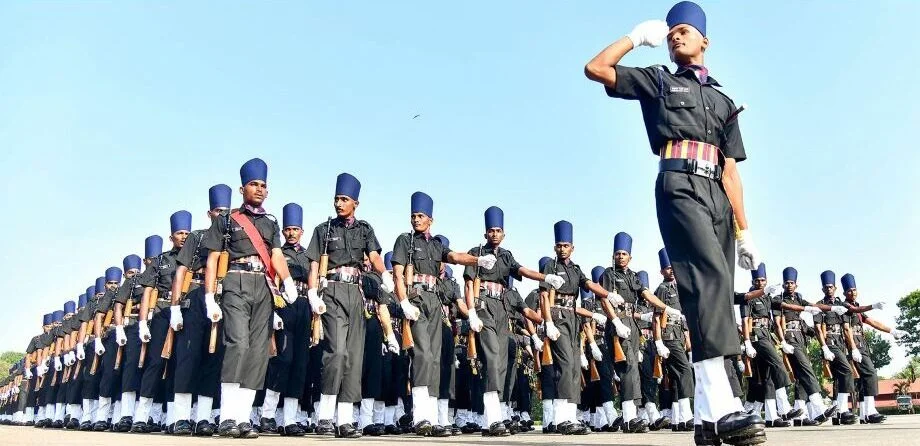
India’s Agnipath recruitment model is facing renewed attention as discussions surrounding its next phase bring two important priorities into focus: improving the service conditions of young soldiers and maintaining the financial strength of the armed forces. The proposed Agnipath 2.0 framework seeks to address concerns about short-term military employment while raising questions about the long-term cost of maintaining a larger regular workforce.
Introduced in 2022, the Agnipath scheme changed the traditional recruitment structure by bringing soldiers into the armed forces for an initial four-year period. Under the original arrangement, up to 25 per cent of each Agniveer batch could be selected for permanent service based on organisational requirements and performance. The remaining personnel would complete their engagement and receive a Seva Nidhi package to support their transition into civilian employment or other career opportunities.
The revised approach discussed in the Agnipath 2.0 debate focuses on providing greater continuity to trained personnel. The proposed changes include extending opportunities for service, improving financial benefits and creating a more stable career pathway for eligible Agniveers. Such adjustments could help the military retain individuals who have already received training and developed familiarity with operational procedures, equipment and unit responsibilities.
For the armed forces, retaining experienced personnel has considerable operational value. Training a soldier requires time, resources and continuous investment. A longer service opportunity could help preserve institutional knowledge and reduce the need to repeatedly train new recruits for similar responsibilities. It may also make military service more attractive to young applicants who are concerned about employment security after completing their initial engagement.
However, improving employment conditions also brings financial considerations. One of the original objectives of Agnipath was to manage the increasing expenditure associated with salaries, pensions and other long-term personnel benefits. By introducing a younger recruitment structure and limiting permanent enrolment, the government aimed to create additional financial flexibility for military modernisation.
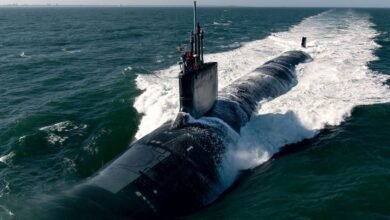
Any expansion of service periods or improvement in long-term benefits could gradually increase recurring expenditure. This is particularly important because personnel costs already consume a substantial share of India’s defence resources. Salaries and pensions compete with other essential requirements, including the acquisition of fighter aircraft, warships, submarines, artillery systems, ammunition and advanced surveillance technologies.
Capital expenditure is especially important as modern warfare becomes increasingly dependent on artificial intelligence, drones, electronic warfare, precision-guided weapons and advanced communication networks. India must continue investing in these capabilities while maintaining sufficient manpower to address its security requirements along the country’s sensitive borders.
The issue is therefore not simply about increasing or reducing the number of soldiers. It is about determining the appropriate balance between experienced manpower, technological capabilities and available financial resources. A military force must remain sufficiently staffed for operational readiness without allowing recurring expenditure to restrict essential equipment upgrades and future acquisitions.
Agnipath’s next phase could become an important test of India’s ability to combine soldier welfare with defence-sector efficiency. Providing better career opportunities may strengthen recruitment and retention, but the government will also need to ensure that additional commitments remain sustainable.
Ultimately, India’s military modernisation will depend on maintaining a capable workforce while directing adequate funding towards emerging technologies and strategic defence requirements. The success of any Agnipath reform will be measured not only by the benefits it provides to soldiers but also by its ability to support a stronger, more prepared and financially sustainable armed force.