
Pakistan’s AI-Generated Operation Sindoor Film Raises Questions Over Wartime Claims
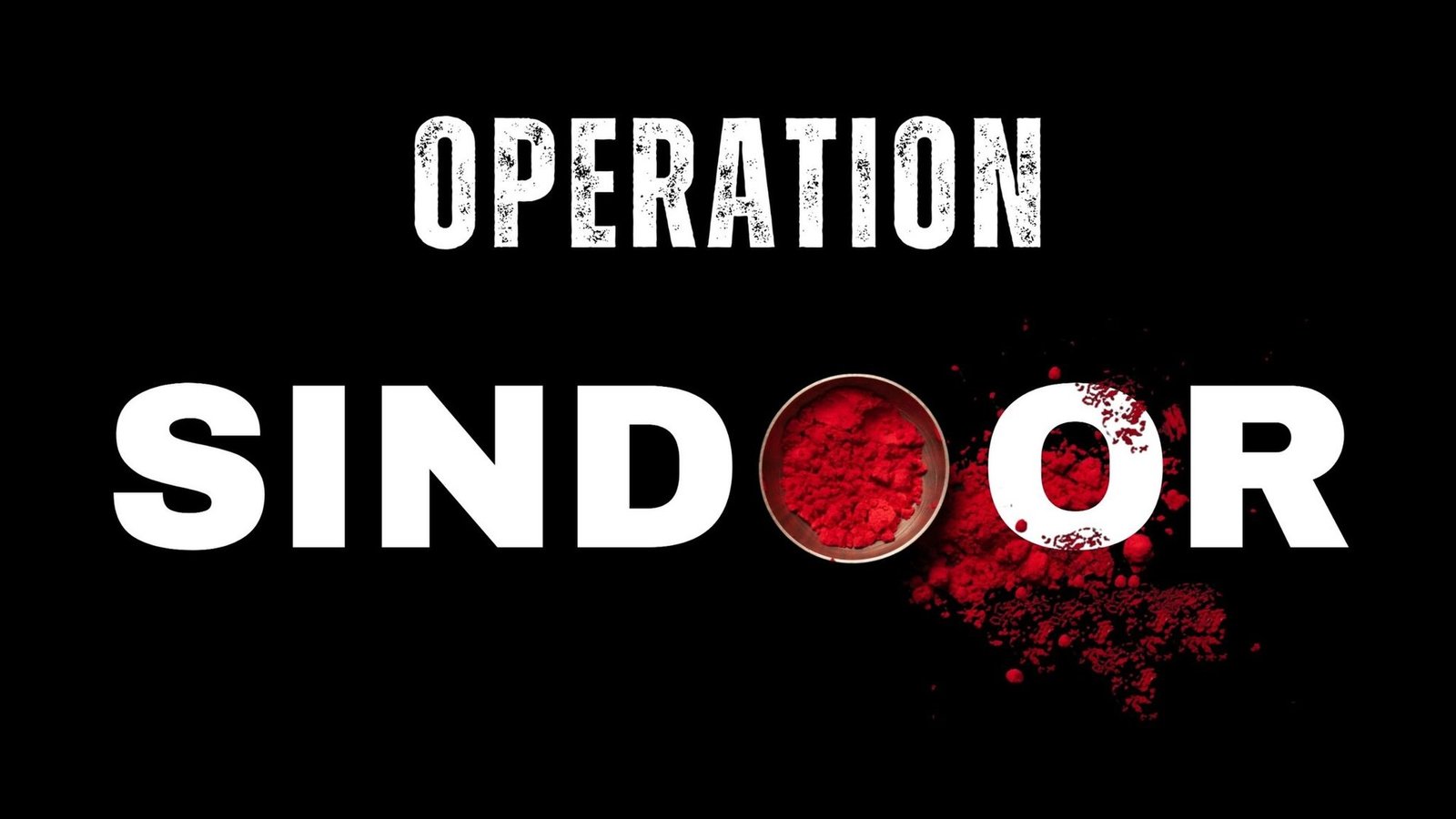
Pakistan has turned to artificial intelligence to present its version of the military confrontation with India during Operation Sindoor, releasing a dramatic video that combines computer-generated imagery, animation and a cinematic portrayal of alleged battlefield events.
The production, titled Fizaon Ke Pasban, presents Pakistan’s interpretation of the conflict and portrays a series of claimed military successes against Indian targets. Rather than relying primarily on conventional battlefield footage, the film uses digitally created sequences to reconstruct events and illustrate the Pakistani military narrative.
Several scenes in the production depict alleged attacks against Indian military installations and strategic assets. The video makes sweeping claims about damage inflicted on Indian defence infrastructure and aircraft, while portraying Pakistani forces as having successfully carried out operations against multiple Indian targets.
The use of AI-generated imagery has become the central point of discussion surrounding the production. While digitally generated visuals can be used to explain military operations or recreate events for audiences, they do not by themselves establish that the events shown actually occurred. This distinction has become particularly important in a conflict where India and Pakistan have presented competing accounts of military losses and operational successes.


Questions have therefore emerged over the evidentiary basis for some of the claims presented in the film. In particular, dramatic depictions of attacks on high-value Indian military and strategic targets require independent confirmation before they can be treated as factual battlefield events.
The development reflects a broader transformation in military communication. Armed forces and governments are increasingly using digital platforms to communicate directly with the public, while artificial intelligence is making it possible to create highly realistic reconstructions of military scenarios. Such content can attract considerable attention even when it is not accompanied by conventional photographic or video evidence.
Operation Sindoor itself remains the subject of competing narratives. India launched the operation in May 2025 following the Pahalgam terror attack, targeting what it described as terrorist infrastructure in Pakistan and Pakistan-occupied Jammu and Kashmir. The subsequent military confrontation involved missile strikes, air-defence systems, drones and fighter aircraft, with both countries making claims about the effectiveness of their operations.
The Pakistani AI film adds another layer to that continuing information contest. Instead of simply presenting written statements or official briefings, the production uses visual storytelling to communicate a version of events to a much wider audience.
For defence analysts and viewers, the episode illustrates the growing difficulty of assessing military information in an era of generative AI. Realistic computer-generated imagery can make an alleged event appear visually convincing without serving as independent proof. Verification through satellite imagery, official documentation, credible eyewitness accounts and other reliable evidence therefore remains important.
The release of Fizaon Ke Pasban also demonstrates that the information battle surrounding a military operation can continue well after the fighting has stopped. As artificial intelligence becomes more accessible, digitally created depictions are likely to play an increasingly important role in how countries communicate their military narratives and attempt to influence public perception.
For audiences following India-Pakistan defence developments, the latest episode is a reminder that visual realism and factual verification are not the same thing. Claims made through AI-generated military content need to be assessed separately from independently confirmed evidence of events on the battlefield.



Facebook Comments