
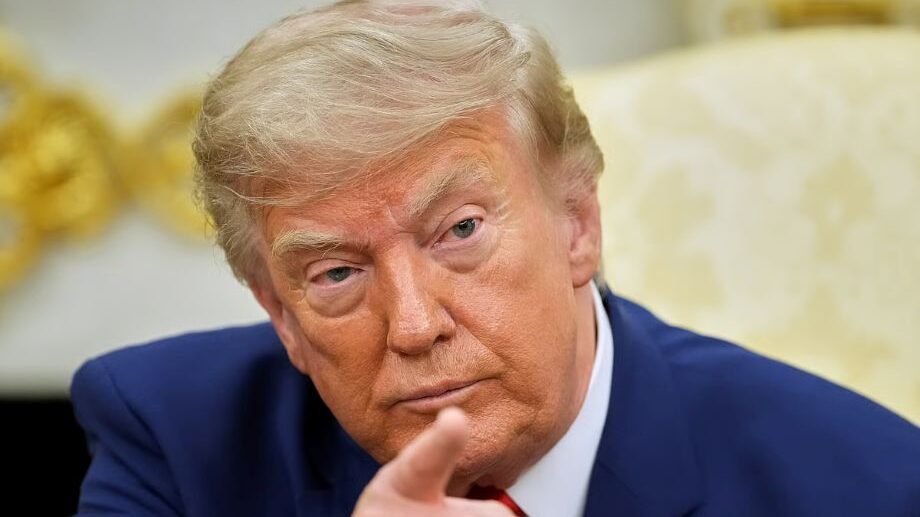
The United States has paused military strikes against Iran after 13 days of escalating tensions, with the Trump administration signalling a narrow opening for diplomatic talks, according to reports.
The decision to hold fire comes after a cycle of reciprocal strikes that began over a fortnight ago. Trump’s statement that he is leaving “a little bit of room” for negotiations suggests the US is willing to step back from immediate military action, though the strategic situation remains volatile.
This pause reflects a delicate moment in US-Iran relations. The Middle East has been a zone of heightened military activity, with multiple powers maintaining significant naval and air assets in the region. The precedent of de-escalation through temporary holds, followed by resumed dialogue, has defined several previous cycles in this long-running confrontation.
For India, developments in the Persian Gulf and the broader Middle East carry direct strategic weight. India’s energy security depends substantially on oil and gas from the region, and any disruption to shipping lanes or supply chains affects the Indian economy directly. Additionally, Indian nationals and diaspora communities in Gulf nations number in the millions, making stability in the region a humanitarian concern.

India has historically maintained a balanced posture toward both the United States and Iran, avoiding explicit alignment with either power while protecting its own interests. New Delhi has consistently advocated for dialogue and de-escalation in the region through multilateral forums and bilateral channels. The current pause in US-Iran military action aligns with India’s preference for diplomacy over armed conflict.
The Indian Navy maintains a significant operational presence in the Arabian Sea and the Indian Ocean, with regular surveillance and anti-piracy operations. Any major escalation in the Persian Gulf could complicate India’s maritime operations and increase risks to Indian-flagged vessels transiting the region.
Whether this pause develops into sustained negotiations or represents merely a tactical lull remains uncertain. India’s diplomatic establishment will be closely monitoring developments, as the outcome will shape regional stability, energy markets, and the broader geopolitical balance in South and West Asia for months ahead.

Facebook Comments