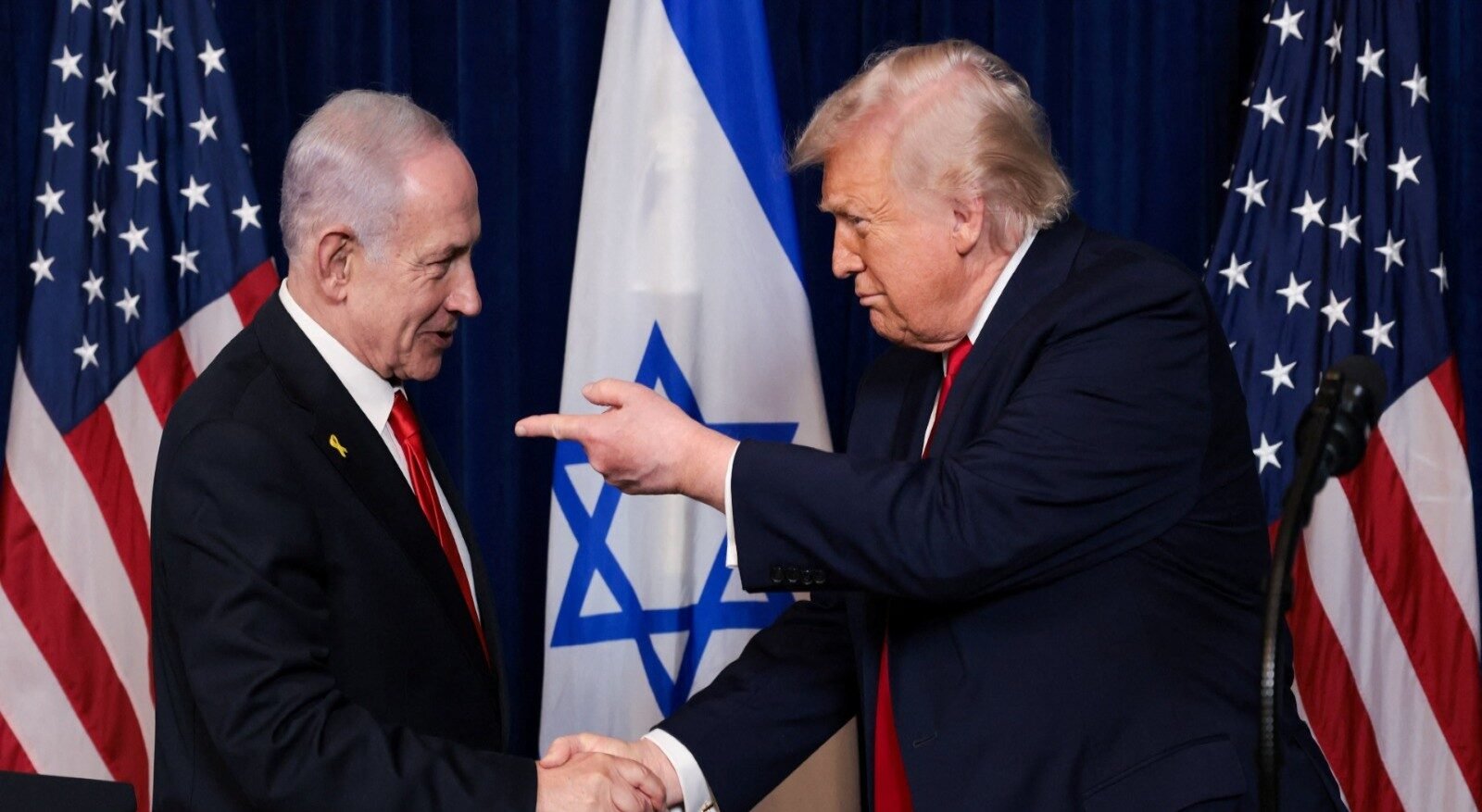
Donald Trump has called on Israeli Prime Minister Benjamin Netanyahu to withdraw Israeli Defence Force (IDF) troops from Syria and Lebanon. The directive marks a significant position from the incoming U.S. administration on Israel’s military posture in the Levant region.
Trump’s statement comes as Israel maintains a substantial military presence across both territories. In Lebanon, the IDF has conducted extensive operations against Hezbollah positions, while Syria has seen Israeli airstrikes and ground operations targeting Iranian-backed militias and weapons facilities over several years.
The withdrawal call reflects broader American strategic calculations in the Middle East. The U.S. has historically balanced support for Israel with regional stability concerns, particularly regarding potential escalation with Iran-aligned forces in Syria and Lebanon.
Israel’s military footprint in Syria dates back to the 2011 civil war, when the country began conducting air operations against Iranian weapons transfers and Hezbollah supply lines. The IDF has maintained a limited ground presence in the Golan Heights buffer zone under the 1974 disengagement agreement, though Israeli forces have occasionally conducted cross-border operations deeper into Syrian territory.
In Lebanon, Israeli military operations intensified significantly in recent months following escalations with Hezbollah. The IDF deployed ground forces across the border in autumn 2024, targeting Hezbollah infrastructure in southern Lebanon. These operations represent one of the most substantial Israeli ground campaigns in the country since 2006.
The Trump administration’s position suggests a recalibration of U.S. Middle East strategy focused on reducing direct military involvement and encouraging regional powers to manage their own security challenges. This approach may reflect fatigue with ongoing regional conflicts and a desire to redirect American strategic attention and resources elsewhere.
Israel’s withdrawal from these territories would require careful coordination with international partners and regional stakeholders. Any pullback would need to address security arrangements for Israeli border communities and ensure that vacuum left by IDF withdrawal does not empower hostile groups or destabilize already fragile regional dynamics.
The statement underscores shifting geopolitical priorities under the new U.S. administration and may signal negotiations ahead between Washington and Jerusalem regarding the scope and timeline of potential force reductions in the region.
-

-

-

-