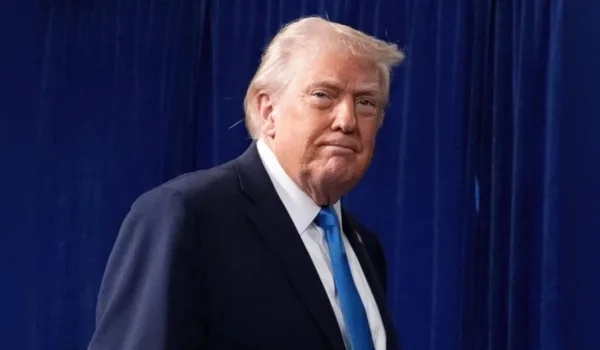
US President Donald Trump has stated that a war with Iran is unlikely, even as crude oil prices surged 6 percent to hit a two-week high following his assertion that the Iran nuclear peace deal is over.
The oil market reaction underscores the sensitivity of Middle Eastern geopolitical developments to global energy supply. Crude oil volatility directly impacts India’s defence procurement budgets and operational costs across the three services, given that fuel expenses form a substantial portion of annual defence expenditure.
India has maintained a calibrated strategic posture on Iran for decades, balancing ties with Washington against energy security imperatives and regional stability concerns. The country sources approximately 10 percent of its crude oil from Iran, a relationship that has been strained by international sanctions but remains economically significant.
For India’s defence establishment, any escalation in US-Iran tensions carries dual implications. First, instability in the Persian Gulf and Arabian Sea region would directly threaten India’s critical sea lanes through which 99 percent of India’s overseas trade transits. Second, heightened tensions could disrupt Indian Navy operations in the Indian Ocean Region and complicate anti-piracy deployments off the Horn of Africa.
The Indian Navy has maintained persistent presence in the Persian Gulf and Gulf of Oman since 2008, with regular naval task force deployments and coordination with regional maritime security frameworks. Any major geopolitical convulsion would necessitate enhanced force levels and operational readiness in that theatre.
Rising crude prices also have cascading effects on India’s defence budget allocation. Higher fuel costs compress resources available for capital acquisition, research and development, and modernisation programmes under the Defence Acquisition Procedure. This becomes particularly acute for DRDO and Ordnance Factory Board projects that operate on fixed annual allocations.
India’s strategic autonomy doctrine emphasises reducing dependence on any single energy supplier while maintaining flexibility in international alignments. The country has therefore diversified crude sourcing across the Middle East, Africa, and now increasingly from Arctic regions through Russian partnerships, albeit under evolving geopolitical constraints.
Trump’s statement that war with Iran remains unlikely appears designed to reassure oil markets and investors. However, the simultaneous announcement that the Iran nuclear deal framework is terminated introduces longer-term strategic uncertainty that could keep crude volatility elevated across quarters ahead.
-

-

-

-