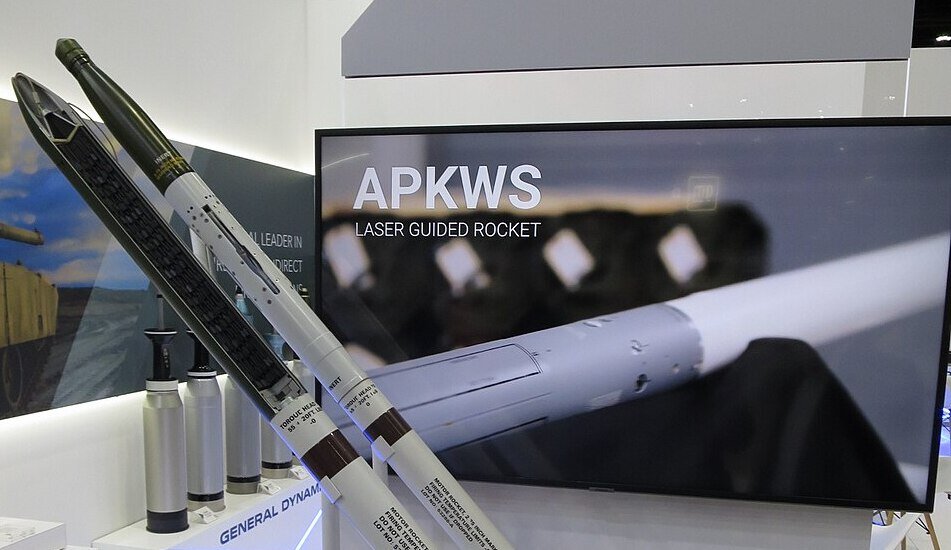
The laser-guided rocket programme underscores the evolving nature of modern air defence. Traditional systems optimised for manned aircraft engagement have proven inadequate against the cost-asymmetry of drone swarms. Laser guidance offers precision targeting, reduced collateral damage, and effective engagement of small, fast-moving aerial targets.
This acquisition mirrors a strategic trend across Middle Eastern air forces. The region has faced sustained drone and cruise missile attacks from non-state actors and state adversaries, exposing gaps in layered air defence networks. Point-defence systems armed with precision munitions now form a critical outer ring of air defence architecture.
India has similarly invested in counter-UAS capabilities and air defence modernisation. The Indian Army operates the SPYDER air defence system, a medium-range platform jointly developed with Israel that combines phased array radar with surface-to-air missiles effective against multiple target types. The system has been trialled for counter-drone operations and integrated into the air defence grid alongside short-range platforms.
DRDO and the Indian defence industry have also pursued indigenous solutions for UAS threat mitigation. The development of loitering munitions, networked air defence systems, and precision-guided rockets reflects India’s recognition that future conflicts will involve asymmetric aerial threats. Laser-guided variants of existing rocket platforms offer modularity and cost-effectiveness compared to dedicated air defence systems.
The Saudi procurement also reflects the maturation of laser guidance technology at scale. Tactical rockets equipped with semi-active laser seekers have become reliable, manufacturable in large quantities, and interoperable with existing launcher platforms. This enables rapid integration into existing air defence architectures without requiring entirely new infrastructure.
For India, the strategic lesson is clear: counter-UAS defence must be layered, integrating radars, point-defence guns, short-range missiles, and precision munitions. As adversaries field increasing numbers of drones, relying on expensive air defence missiles for every engagement becomes unsustainable. Precision-guided rockets offer an intermediate cost-effectiveness solution for mid-range counter-UAS operations.
-

-

-

-