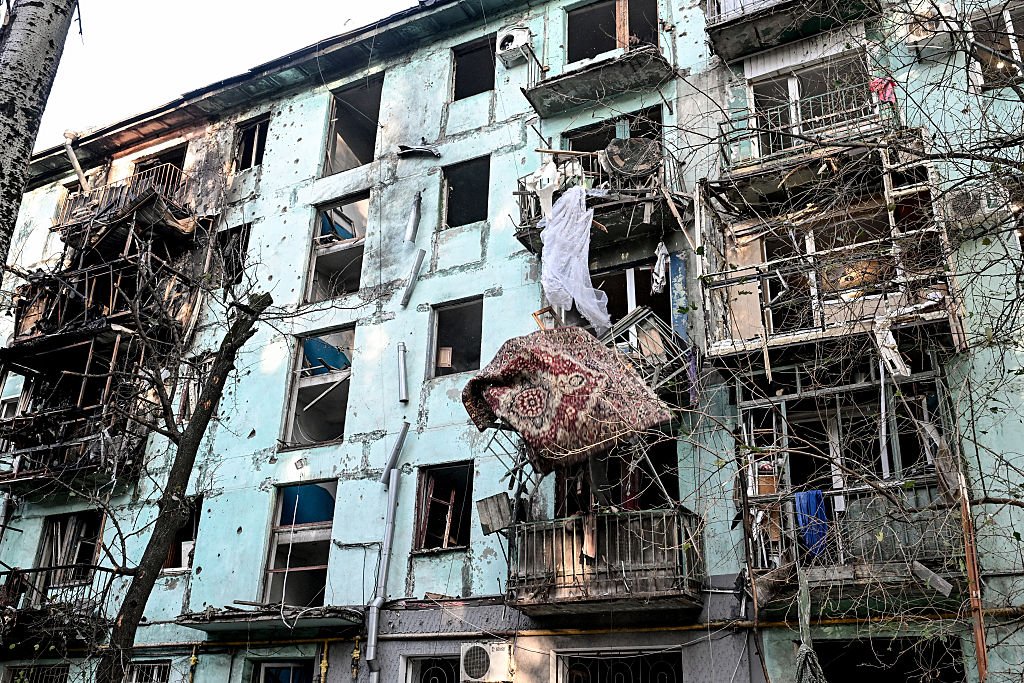
Russia has launched one of its largest coordinated air attacks on Ukraine, resulting in at least 11 confirmed deaths, according to reports. The strike represents an escalation in Russia’s aerial warfare strategy against Ukrainian civilian and military targets across multiple regions.
The attack underscores the critical importance of air defence systems in modern conflict. Ukraine’s ability to intercept and neutralise incoming missiles and drones depends on layered defence architectures combining short-range, medium-range, and long-range air defence platforms operating in integrated networks.
The Ukrainian military operates a mix of Soviet-era systems including the S-300 and Buk variants, alongside newer NATO-supplied air defence platforms. The integration of these heterogeneous systems presents significant command-and-control challenges, particularly when facing saturation attacks designed to overwhelm defence coverage.
Russia’s aerial campaign relies on stand-off delivery of cruise missiles, ballistic missiles, and unmanned aerial vehicles launched from aircraft and naval vessels. The scale and frequency of such attacks have forced Ukraine to continuously redistribute limited air defence resources across a vast territory, creating tactical vulnerabilities that Russian planners exploit through coordinated multi-axis strikes.
The humanitarian impact of sustained air attacks on civilian infrastructure has become a defining characteristic of this conflict. Damage to power generation facilities, water treatment plants, and transport networks creates cascading effects on civilian populations and military logistics simultaneously.
-

-

-

-