India has significantly strengthened its military preparedness and infrastructure along the border with China, External Affairs Minister S. Jaishankar has said, highlighting the country’s growing ability to maintain a sustained troop presence in strategically important frontier areas. His remarks underline New Delhi’s continued focus on border security, improved connectivity and operational readiness amid its complex relationship with Beijing.
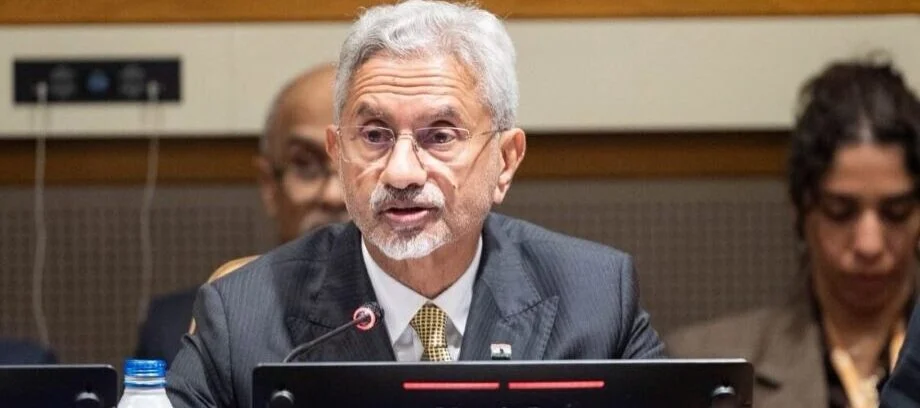
Speaking at the 24th Hindustan Times Leadership Summit in New Delhi on November 14, 2026, Jaishankar described the India-China border as having become “more alive in a way”. He explained that maintaining security along the frontier now requires a considerably greater and continuous commitment of military personnel. According to the minister, India’s ability to deploy and sustain forces in these areas has improved substantially over the past decade.
Jaishankar pointed to the growing number of infrastructure developments in border regions, including new tunnels, bridges, roads and airfields. These projects have improved connectivity to remote locations and strengthened the military’s ability to move personnel, equipment and essential supplies when required. He noted that the increasing frequency of such developments reflects a significant change in India’s approach towards frontier infrastructure.
The External Affairs Minister also acknowledged that border infrastructure had received insufficient attention in earlier decades. Although plans and discussions existed, their implementation did not receive the level of resources and policy priority required. He said that the situation began changing more noticeably over the past ten years, with greater investment and sustained government attention directed towards improving infrastructure along the frontier.
The need for these improvements became particularly evident following the June 2020 Galwan Valley clash in eastern Ladakh, which severely affected India-China relations. The confrontation resulted in the deaths of 20 Indian soldiers and an unspecified number of Chinese personnel. The incident exposed the strategic importance of maintaining strong military capabilities and reliable logistical support in difficult high-altitude border regions.
Jaishankar indicated that India’s improved infrastructure has played an important role in supporting the deployment of larger numbers of troops along the China border. He stressed that the work already completed has helped establish the necessary capacity, while ongoing construction and development will support the continued maintenance of that presence.
Beyond border security, Jaishankar also discussed the economic differences between India and China. Recalling the period around former Prime Minister Rajiv Gandhi’s 1988 visit to China, he observed that the two economies were approximately comparable in size at that time. However, China’s strong push towards industrialisation and modernisation during the 1980s enabled it to move ahead economically, while India missed important opportunities during that period.
He argued that India must now strengthen its industrial and manufacturing capabilities through targeted development and innovation rather than simply following the same path taken by other countries. Addressing economic differences, he suggested that India should identify sectors where it can build competitive advantages and develop its own strengths.
The remarks come as India and China continue efforts to improve bilateral relations following years of military tensions along the Line of Actual Control (LAC). Although diplomatic engagement has resumed and conditions along parts of the frontier have improved, border stability remains a crucial factor in the relationship.
India’s continuing investment in roads, tunnels, bridges and other strategic facilities demonstrates its determination to improve frontier connectivity and maintain military readiness. Jaishankar’s statements reinforce the government’s position that lasting security along the China border requires sustained infrastructure development, adequate troop deployment and long-term strategic preparedness.