The Indian Army is moving to significantly upgrade its air defence training infrastructure and doctrine following a series of recent acquisitions in unmanned systems and modern missile platforms, according to sources tracking the service’s procurement roadmap.
The training modernisation initiative reflects the Army’s recognition that personnel manning air defence units require exposure to contemporary threat profiles, particularly autonomous systems and precision-guided munitions that have emerged as primary challenges in contemporary conflict scenarios.
India’s air defence architecture has undergone substantial evolution over the past decade. The Army operates layered systems spanning short-range platforms like the Tunguska and Pechora variants, medium-range Akash missile batteries deployed across field formations, and longer-range assets managed in coordination with the Indian Air Force. Each tier demands operator proficiency calibrated to specific technical and tactical requirements.
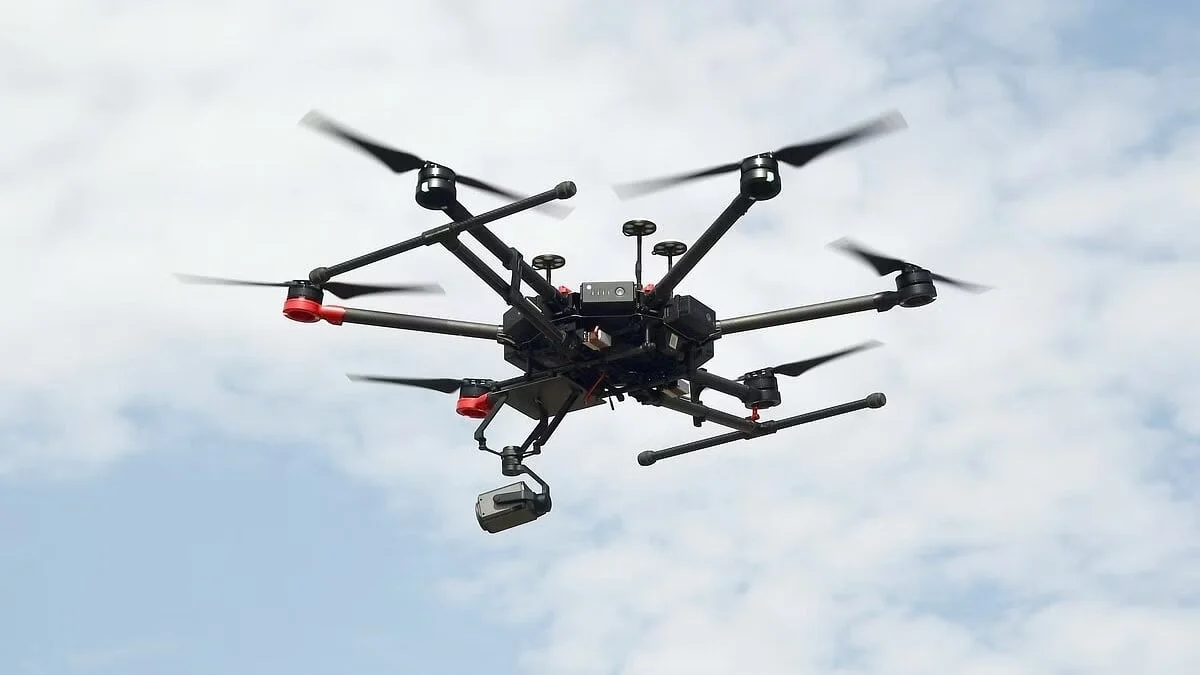
Recent Army acquisitions have tilted the operational calculus toward drone-centric threat environments. The induction of reconnaissance and loitering munition platforms necessitates training protocols addressing rapid target acquisition, networked engagement procedures, and threat classification at battalion and brigade levels. Training establishments at Ahmednagar and other nodal centres will require updated simulation facilities, target data libraries, and live-fire scenarios reflecting drone swarm tactics and evasive flight patterns.
The Army’s training modernisation aligns with broader Indian defence strategy emphasising indigenous capability development. DRDO-developed systems like the Akash missile and platforms under the Autonomous Systems Development Programme require training regimens built from first principles, unlike legacy Soviet-origin systems where doctrine was often imported alongside hardware.
Air defence training has historically consumed significant ammunition budgets and range time. Simulation-based training, already employed in rudimentary form at Army establishments, will likely expand to incorporate virtual reality environments modelling contemporary air threats. This approach reduces live-fire costs while enabling higher training throughput across dispersed formations.
The modernisation initiative comes as the Army conducts regular exercises such as Sudarshan Chakra and formation-level wargames incorporating air defence scenarios. Integration of drone threat profiles into these exercises will validate updated training protocols before wider dissemination across air defence regiments.
Personnel rotation cycles mean training ecosystem upgrades require 18 to 24-month lead times to achieve saturation across the force. The timing of this initiative suggests the Army views drone proliferation as an immediate operational reality rather than a distant contingency, warranting accelerated training architecture overhaul to maintain combat effectiveness across all air defence formations.
-

-

-

-