The Indian Air Force is likely to oversee the transport of examination papers for the NEET-UG re-test, according to reports. The decision underscores the critical operational role of India’s air arm in managing high-security logistics for national-level examinations.
NEET-UG, the National Eligibility cum Entrance Test for Undergraduate medical programmes, is administered by the National Testing Agency. The examination determines admission to over 66,000 medical seats across India’s government and private institutions.
The involvement of the Indian Air Force in transporting examination papers reflects the sensitivity and security protocols required for nation-wide competitive examinations. Paper logistics for NEET demand rapid, secure, and tamper-proof movement across multiple states within defined time windows.
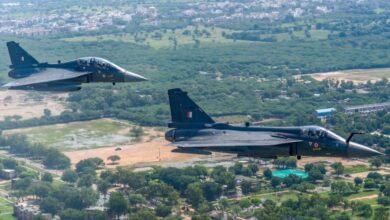
The Indian Air Force operates an extensive transport fleet across the country, including the Airbus C-295, Lockheed C-130J Hercules, and legacy Avro platforms. These aircraft provide rapid point-to-point connectivity to airfields across India’s network of civilian and defence aerodromes, enabling the Air Force to dispatch materials with both speed and security oversight.
Previous national examinations have deployed military logistics support to ensure secure delivery of question papers. The defence establishment’s involvement in examination logistics is rooted in the capacity to guarantee chain-of-custody integrity and the ability to move materials under controlled conditions to distributed examination centres simultaneously.
The NEET-UG examination process requires question papers to reach thousands of test centres on the same day, with papers remaining under secure custody until the examination window opens. This scale of simultaneous distribution, combined with the need to prevent leakage or compromise, makes air transport a pragmatic choice.
The Air Force’s logistical apparatus includes dedicated personnel trained in handling sensitive materials, end-to-end tracking systems, and the operational flexibility to adapt delivery schedules if examination dates shift. Such capabilities are standard in the defence establishment’s response to national emergencies or critical civilian requirements.
This assignment also reflects India’s broader practice of leveraging defence resources for civil purposes during crises or critical infrastructure challenges. The military has historically supported disaster relief, election management, and examination administration when civilian systems required supplementary capacity or security assurance.