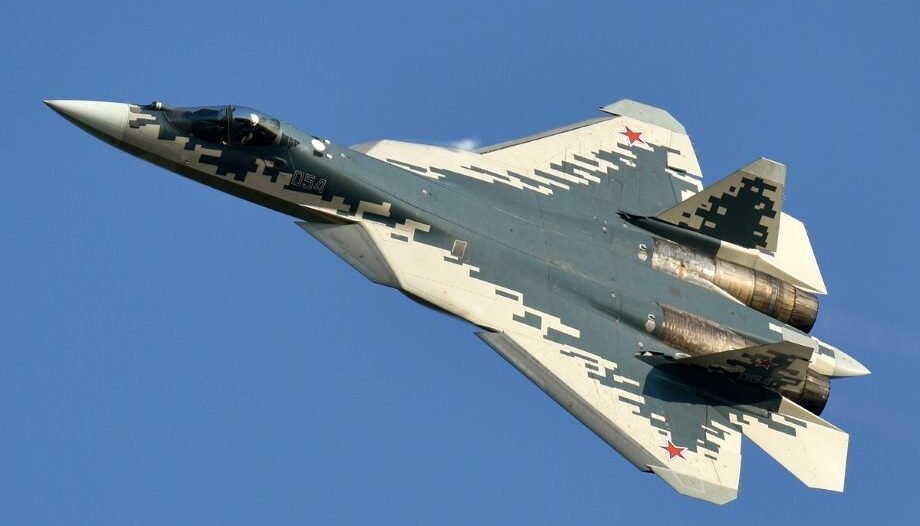
India is reportedly examining a fresh Russian proposal that combines the acquisition of Su-57 fifth-generation stealth fighters with additional S-400 Triumf air defence systems, signalling a potential expansion of defence cooperation between New Delhi and Moscow. While there has been no official confirmation from the Indian government regarding any procurement, the reported offer has generated significant attention within defence circles as the Indian Air Force (IAF) seeks to enhance its combat capabilities amid evolving regional security challenges.
The reported proposal comes at a time when the IAF is working to address its declining fighter squadron strength while preparing for the induction of next-generation platforms. The Su-57, Russia’s premier stealth multirole fighter, is designed for air superiority, precision strike, electronic warfare, and network-centric operations. If eventually selected, it could provide the IAF with a fifth-generation capability before India’s indigenous Advanced Medium Combat Aircraft (AMCA) enters operational service.
According to reports, Russia has also indicated its willingness to support technology transfer, local production, and the integration of Indian-made weapons and mission systems into the aircraft. Such cooperation would align with India’s long-term objective of strengthening domestic defence manufacturing under the “Make in India” initiative while reducing dependence on imported military equipment.
Alongside the fighter aircraft proposal, Russia is reportedly offering additional S-400 Triumf long-range air defence systems. India has already inducted multiple S-400 regiments, which are capable of tracking and engaging aircraft, cruise missiles, and ballistic missile threats over extended distances. Expanding the S-400 fleet could further strengthen India’s layered air defence network and improve protection for critical military installations and strategic infrastructure.
Defence analysts believe that any future decision will involve a comprehensive evaluation of operational performance, technology transfer, industrial participation, maintenance costs, interoperability with existing aircraft, and the progress of indigenous programmes such as the AMCA. The Indian government has consistently emphasised self-reliance in defence production while maintaining strategic partnerships with multiple countries to meet national security requirements.
At present, no formal agreement has been announced regarding the purchase of Su-57 fighters or additional S-400 systems. The reported discussions should therefore be viewed as part of India’s broader assessment of future air power requirements rather than a confirmed procurement decision. As regional military modernisation continues, India is expected to carefully balance immediate operational needs with its long-term goal of building an indigenous and technologically advanced aerospace ecosystem.
-
-
-
-