India has finalised its request letter for a fresh tranche of Rafale fighter jets from France, moving the procurement closer to formal negotiation and contract stages, according to reports on the ongoing defence engagement between New Delhi and Paris.
The move represents a significant step in India’s long-term fighter jet acquisition strategy. The Indian Air Force has already inducted 36 Rafale jets across two batches since 2020, establishing the French-origin platform as a cornerstone of its air combat capability over the next two decades.
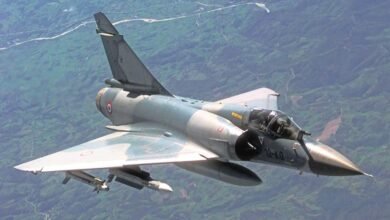
The Rafale is a fourth-generation, multi-role combat aircraft designed and manufactured by Dassault Aviation. It operates across air-to-air, air-to-ground, air-to-sea, and reconnaissance missions. India’s existing Rafales are equipped with an integrated avionics suite, a primary active electronically scanned array radar known as the RBE2-AA, and compatibility with a range of precision-guided munitions including Scalp cruise missiles and METEOR beyond-visual-range air-to-air missiles.
India’s first batch of 36 Rafales was contracted in September 2016 for approximately $8.8 billion under a government-to-government inter-ministerial agreement with France. These aircraft are stationed at Air Force Station Ambala in Punjab and Air Force Station Hashimara in West Bengal, and have participated in major exercises including Cope India and Red Flag.
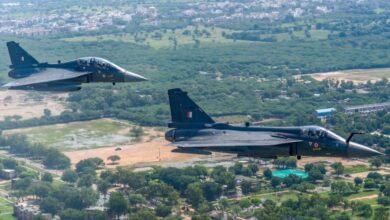
The push for additional Rafales aligns with the IAF’s broader modernisation roadmap. The service operates a mixed fleet including MiG-29, Su-30MKI, Tejas, and Gripen fighters. Air Force officials have repeatedly indicated a requirement for additional air combat platforms to meet operational readiness standards and hedge against the extended development timeline of indigenous platforms like the Advanced Medium Combat Aircraft.
France has emerged as India’s preferred defence partner in the aviation sector. Beyond Rafales, the two countries collaborate on naval platforms, including Scorpene-class submarines built by Mazagon Dock Shipbuilders under French technology transfer. The proposed additional Rafale order would further deepen Indo-French defence ties and potentially include manufacturing or assembly components in India under Make in India provisions.
A formalised request letter typically initiates the detailed cost and technical negotiation phase, following which an inter-governmental agreement is drafted and tabled for cabinet approval. The timeline for finalising this additional order could extend 18 to 24 months from formal request submission.