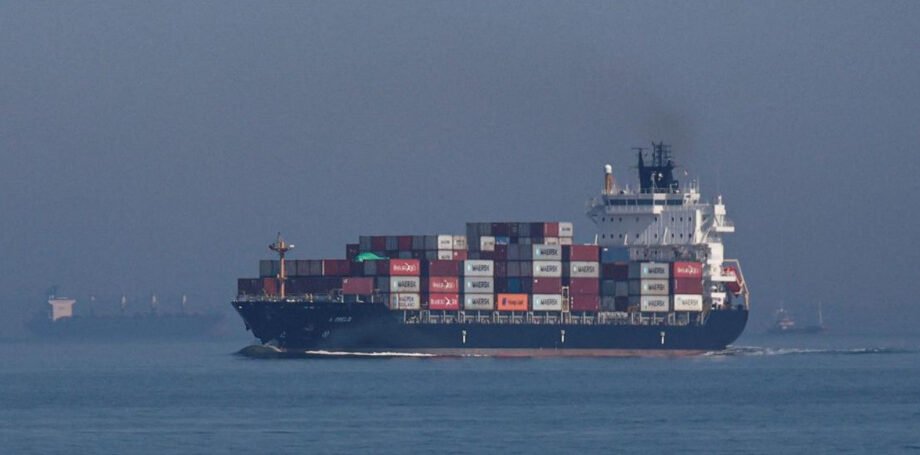
India has emerged as the world’s second-largest supplier of seafarers, reinforcing its position as a critical human resource provider to the global maritime industry, according to official sources.
The development underscores India’s dominance in maritime manpower despite stiff global competition. India’s seafaring workforce is distributed across commercial shipping, naval auxiliaries, and offshore energy sectors worldwide.
India’s ascendancy in maritime manpower reflects the quality of training delivered through institutions like the Indian Maritime University, state maritime boards, and private shipping academies. These centres graduate thousands of certified deck officers, marine engineers, and ratings annually, meeting International Maritime Organization (IMO) standards and STCW (Standards of Training, Certification and Watchkeeping) conventions.
The Philippines historically held the top position as the world’s largest seafarer supplier, a position it has retained for decades. India’s rise to the second position signals a strategic shift in global maritime labour markets, driven by India’s large pool of trained manpower, cost competitiveness, and the country’s reputation for reliability.
India’s shipping industry and maritime education ecosystem have expanded substantially over the past two decades. The Indian Navy’s officer training programmes at the National Defence Academy and the Indian Naval Academy also produce officers who transition to civilian maritime roles, enhancing India’s talent pipeline.
For India’s defence and maritime security architecture, this development has indirect but significant implications. A robust domestic and globally deployed seafaring workforce strengthens India’s soft power and commercial maritime presence, complementing the Indian Navy’s operational reach. Indian merchant mariners working aboard vessels worldwide serve as informal ambassadors and gather intelligence on global shipping patterns and maritime security challenges.
India’s seafarer supply also supports the nation’s strategic interest in maintaining freedom of navigation and stability in critical sea lanes, particularly in the Indian Ocean Region. The remittances sent home by Indian seafarers contribute substantially to India’s foreign exchange reserves, generating foreign currency that supports defence procurement and indigenous capability building.
The shipping industry and maritime workforce development align with India’s broader maritime strategy, which emphasizes port modernization, shipbuilding capacity, and naval expansion. A strong domestic seafaring talent pool reduces India’s dependence on foreign maritime personnel and supports Make in India initiatives within the shipping and offshore sectors.
-

-

-

-