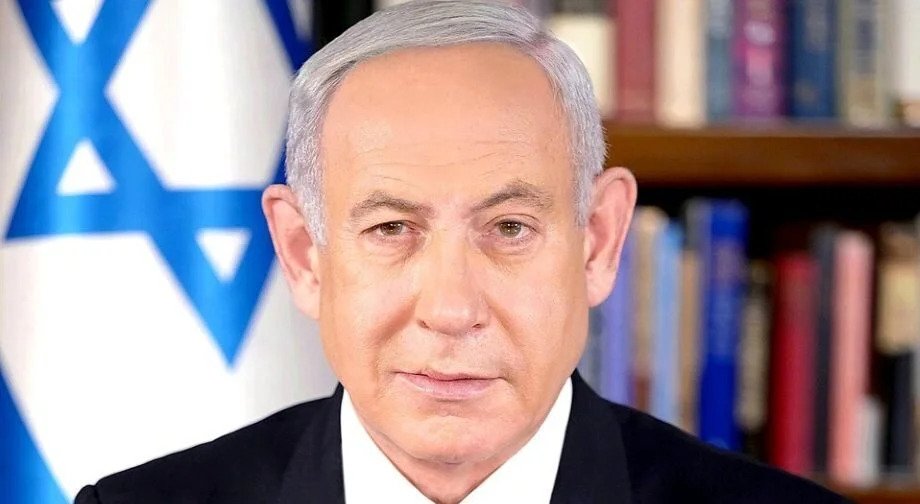
The growing uncertainty surrounding the US-Iran conflict has brought renewed attention to the relationship between Israeli Prime Minister Benjamin Netanyahu and US President Donald Trump. According to a Financial Times report published on November 10, 2026, Netanyahu has reportedly been contacting Trump every day to encourage the American administration to restart military operations against Iran.
The reported communication comes at a time when Washington is considering diplomatic options to bring the prolonged confrontation to an end. People familiar with the discussions told the Financial Times that Netanyahu wants the United States to resume its military campaign against Tehran. However, individuals opposing another escalation, both inside and outside the White House, are reportedly attempting to prevent a return to large-scale fighting.
The situation highlights differing priorities between Israel and several regional governments. While Netanyahu reportedly favours renewed military pressure on Iran, Arab and Muslim leaders are concerned that another offensive could create wider instability across the Middle East.
Qatar, Saudi Arabia, the United Arab Emirates, Bahrain and Kuwait have reportedly encouraged Washington to avoid additional military escalation. These countries are particularly concerned about the potential consequences of another confrontation for regional security, energy infrastructure and international maritime transportation.
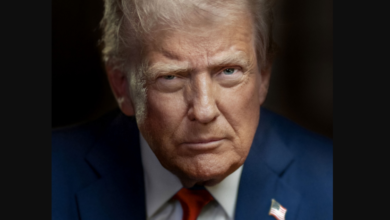
Trump acknowledged the position of Gulf partners following his meeting with Qatari Prime Minister Mohammed bin Abdulrahman Al Thani on Monday. In a statement shared on Truth Social, the US president indicated that several regional countries preferred maintaining the existing situation rather than launching another major military campaign against Iran.
The Qatari leadership has also been involved in diplomatic efforts aimed at finding a possible settlement between Washington and Tehran. Discussions have reportedly focused on reducing tensions and establishing arrangements that could allow commercial shipping through the strategically important Strait of Hormuz to continue without disruption.
Despite the diplomatic activity, military tensions have not completely disappeared. American forces have continued conducting limited operations against Iranian targets. Reports indicate that Qeshm Island was struck on November 3 and November 6. Trump also acknowledged that the United States had carried out smaller military strikes against Iranian military capabilities.
During his public remarks, Trump described Iran’s military strength as effectively defeated and suggested that another major offensive was unlikely under the current circumstances. Nevertheless, he indicated that American forces remained prepared to respond if the situation required further action.
Another important factor is the disagreement over the conditions of a potential agreement. Iran has reportedly sought relief from the US naval blockade, access to frozen financial assets and renewed negotiations concerning its nuclear programme. Washington and Tehran have yet to resolve their differences over the terms of a possible settlement.
For Israel, Iran’s military capabilities and regional influence remain major security concerns. Netanyahu’s reported efforts to persuade Trump reflect Israel’s preference for maintaining pressure on Tehran rather than relying entirely on diplomatic arrangements.
The coming days will be important in determining Washington’s next steps. Although Israel reportedly wants military operations to resume, the Trump administration appears to be giving diplomatic efforts additional time. Any decision to restart major strikes could significantly affect regional stability, international energy markets and the wider security environment in the Middle East.
-
-
-
-