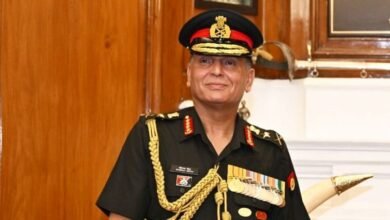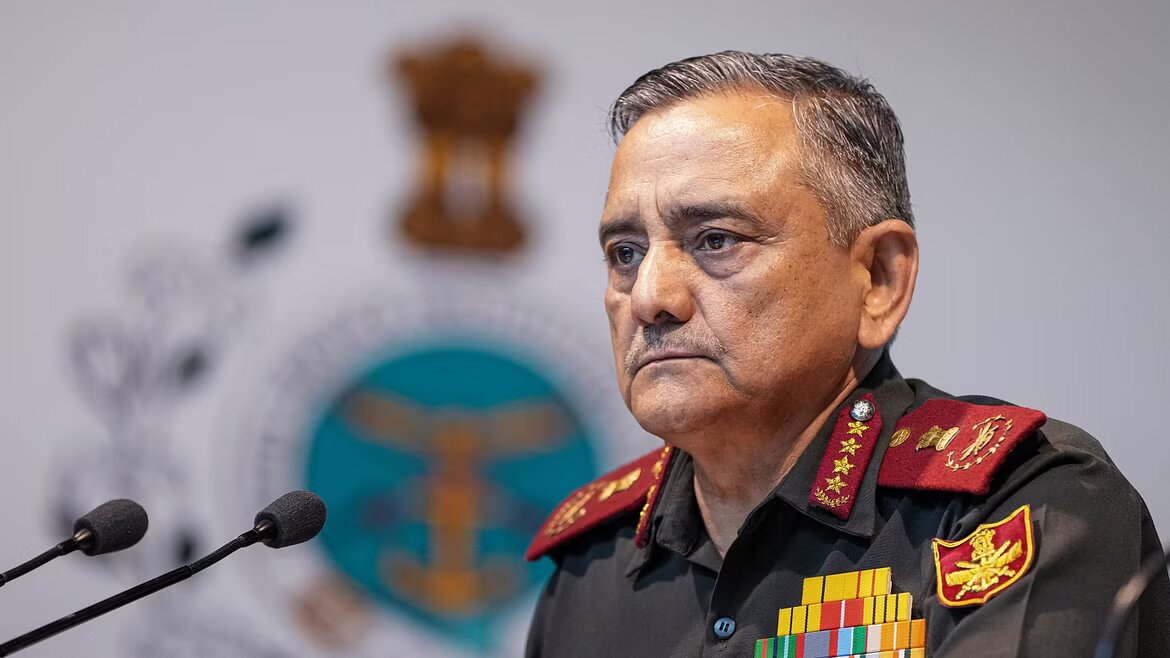
India is moving steadily towards a major transformation of its military structure, as the long-awaited proposal for integrated theatre commands has now been submitted to the Ministry of Defence. This development marks a key step in reshaping how the country’s armed forces operate in modern warfare environments.
The initiative, driven by Chief of Defence Staff General Anil Chauhan, focuses on bringing the Indian Army, Navy, and Air Force under a unified command system. The aim is to enhance coordination, eliminate duplication of efforts, and enable faster and more effective decision-making during operations.
Under the proposed model, theatre commands will be organised based on geographical areas and strategic priorities. Each command will have a single commander responsible for overseeing all military assets within that region, regardless of service branch. This integrated approach is expected to significantly improve synergy among the forces.
Initial plans suggest the creation of multiple theatre commands, including those focused on northern and western borders as well as maritime security. These commands will address specific operational challenges and ensure a coordinated response to potential threats from multiple fronts.
The proposal also emphasises strong leadership at the top, with senior officers expected to head these commands. The restructuring could involve changes at higher levels of military hierarchy to support the new system and ensure smooth functioning across services.
India’s move towards theatreisation has been under discussion for several years, involving extensive deliberations among military leadership. With the proposal now formally submitted, the process is entering a decisive phase, where government approval will play a crucial role in determining the timeline for implementation.
Defence analysts believe this reform will modernise India’s military framework and align it with global standards followed by major powers. By improving jointness and operational efficiency, integrated theatre commands are expected to enhance India’s preparedness for future conflicts, especially in a rapidly evolving security environment.
If implemented, this restructuring will represent one of the most significant changes in India’s defence system, potentially redefining how the armed forces plan and execute operations in the years ahead.
-
-
-
-