
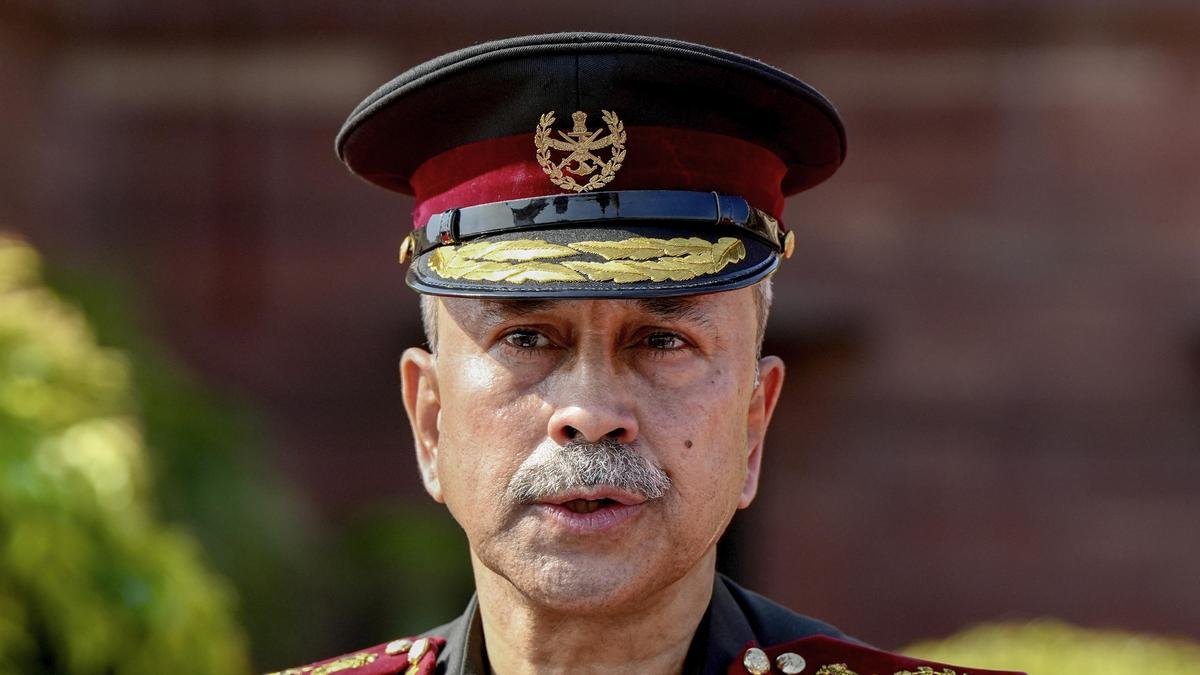
General Raja Subramani has taken over as the third Chief of Defence Staff of India, succeeding General Anil Chauhan. According to The Hindu, the newly appointed CDS has signalled a focus on military integration and building indigenous defence capabilities as core priorities for his tenure.
The Chief of Defence Staff is the senior-most uniformed officer in the Indian armed forces and serves as the principal military adviser to the Defence Minister and the Cabinet. The position was established in December 2019 following the Shekatkar Committee recommendations on defence reforms, with the explicit mandate to drive tri-service coordination and streamline India’s military modernisation.
General Subramani’s emphasis on integration aligns with the foundational purpose of the CDS office, which was created to eliminate service silos that had historically impeded joint operations and procurement efficiency. The first CDS, General Bipin Rawat (2019–2021), laid groundwork for establishing integrated theatre commands. General Anil Chauhan, his successor (2022–2024), further advanced this agenda by pushing joint logistics, common procurement standards, and inter-service training protocols.
The new CDS’s commitment to indigenous capability development reflects India’s ongoing shift toward self-reliance in defence technology under the Make in India framework. DRDO, Ordnance Factory Board, and private sector partners have accelerated development cycles for advanced platforms including air defence systems, autonomous systems, and network-centric warfare tools. This push also addresses long-standing dependencies on foreign vendors for critical systems and aims to build export potential for Indian defence products.
General Subramani assumes charge at a period marked by heightened focus on military readiness along India’s northern and western borders. The CDS role carries additional responsibility for overseeing India’s military engagement with strategic partners including the Quad nations, France, and Russia, ensuring defence cooperation serves India’s broader strategic objectives.
The position, while powerful in advisory capacity, operates within the constraints of existing service structures and defence ministry protocols. The CDS does not command operational forces directly but influences policy, capital procurement, and strategic doctrine. General Subramani’s tenure will be closely watched for progress on pending integration measures including the establishment of new theatre commands and rationalisation of defence spending across services.
-
-

-
-

