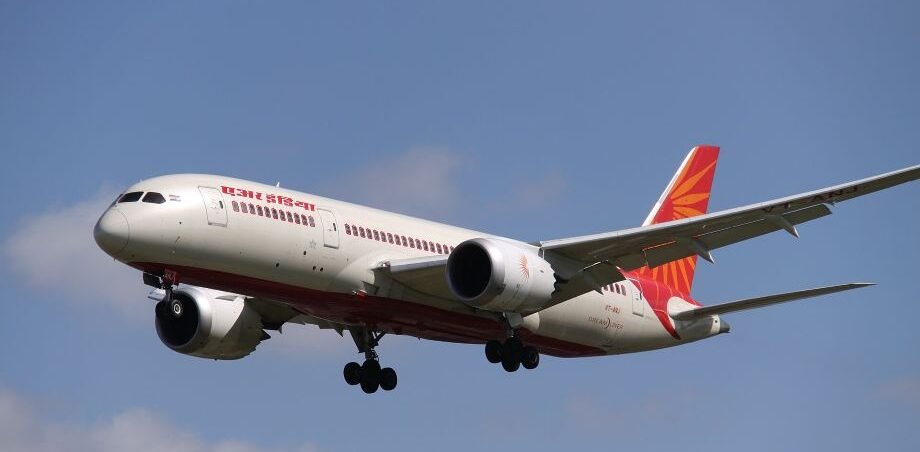
The Indian government has stepped up scrutiny of Air India after the captain of a Phuket–Delhi flight reportedly tested positive for marijuana in a confirmatory drug test following a mid-air incident earlier this month.
Air India flight AI2379, an Airbus A320neo operating from Phuket to New Delhi on August 4, experienced a sudden loss of around 300 feet in altitude while flying over Odisha. The aircraft was carrying 137 passengers and eight crew members. Several passengers and crew members were reportedly injured during the incident, although the aircraft subsequently landed safely at Delhi.
Following the incident, the pilot underwent a mandatory drug screening. The initial test reportedly returned a non-negative result, prompting a confirmatory laboratory examination. The confirmatory test has now reportedly tested positive for marijuana, raising fresh concerns about pilot fitness and aviation safety procedures.
The development has prompted the government to seek greater accountability from Air India. The Ministry of Civil Aviation has asked the airline to take responsibility for strengthening its operational oversight and ensuring that safety protocols are implemented effectively.
The Directorate General of Civil Aviation (DGCA) has also been directed to review and strengthen existing drug-testing procedures for aviation personnel. The government is considering measures to improve the effectiveness and coverage of testing for pilots and other personnel working in safety-sensitive positions.
The positive drug test is being examined as part of the wider investigation into the Phuket–Delhi flight incident. The Aircraft Accident Investigation Bureau (AAIB) is investigating the circumstances surrounding the aircraft’s sudden altitude loss, including flight data and operational factors. Technical assistance is also being provided by Airbus and France’s Bureau of Enquiry and Analysis for Civil Aviation Safety (BEA).
Officials are yet to establish whether the pilot’s positive drug test had any connection with the aircraft’s temporary loss of altitude. Investigators are expected to examine all available evidence before determining the cause of the incident.
The case has nevertheless renewed attention on drug-testing and fitness standards for pilots in India. With the government directing Air India and the DGCA to strengthen oversight, the incident could lead to tighter monitoring and testing requirements across the country’s aviation sector.
-
-
-

-