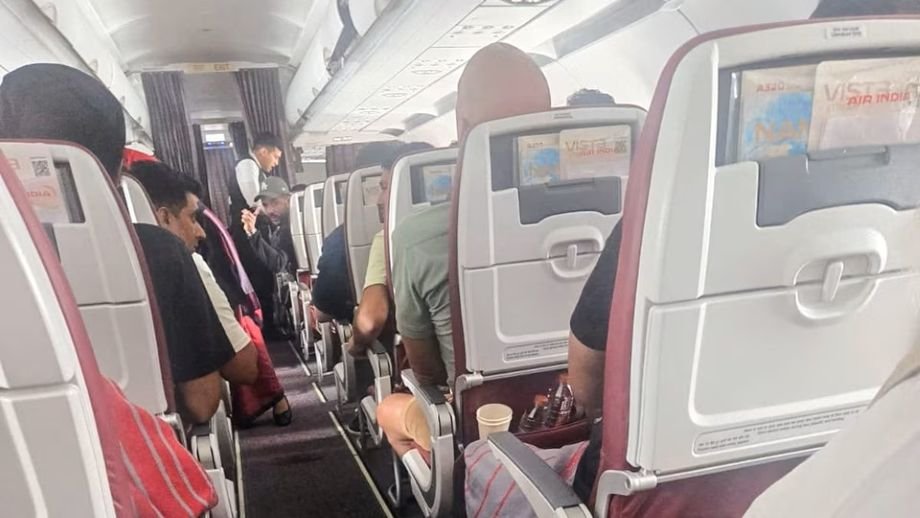
An Air India Airbus A320 flying from Phuket to Delhi experienced a serious technical incident after all three of its hydraulic systems were affected during the flight, causing the aircraft to lose around 300 feet of altitude.
The incident involved Air India flight AI2379, which was operating from Phuket to Delhi. According to findings reported during the ongoing investigation, the aircraft experienced a sequence of hydraulic abnormalities that temporarily affected its flight-control systems.
The aircraft’s three hydraulic systems are designed to provide redundancy for critical functions and help operate important flight controls. The brief disruption involving all three systems was therefore considered an unusual event and has become a key part of the investigation.
During the incident, the aircraft’s flight controls were affected for approximately four seconds. The sudden technical problem resulted in the aircraft losing about 300 feet of altitude before the pilots were able to regain stable control.
The investigation has also examined several warnings recorded during the flight, including indications related to hydraulic pressure and flight-control functions. The autopilot reportedly disconnected during the incident, adding another important element to the investigation.
The sudden altitude change caused passengers and crew members inside the cabin to be thrown around. According to the Aircraft Accident Investigation Bureau (AAIB), 20 passengers and four cabin crew members sustained injuries during the incident.
Despite the sudden loss of altitude and multiple technical warnings, the crew managed to stabilise the aircraft. The Air India A320 subsequently continued its journey and landed safely in Delhi.
The incident is now being investigated to determine why the aircraft’s three hydraulic systems were affected and how the hydraulic abnormalities were connected to the temporary disruption of the flight controls.
Investigators are examining flight-data and cockpit recordings along with aircraft maintenance and technical information. Airbus is also providing technical assistance as authorities work to establish the exact sequence of events.
The incident highlights the importance of hydraulic redundancy in modern commercial aircraft. The Airbus A320 is designed with multiple hydraulic systems to maintain aircraft control and provide backup capability in the event of an individual system failure.
However, a situation involving all three hydraulic systems requires detailed technical examination. Investigators will need to determine whether the failures were related to a common underlying fault or occurred through a sequence of separate events.
The AAIB investigation remains ongoing, and the final cause of the incident has not yet been established. Further analysis of the aircraft’s systems and recorded flight data is expected to provide a clearer picture of what caused the sudden 300-foot altitude loss.
-

-
-
-