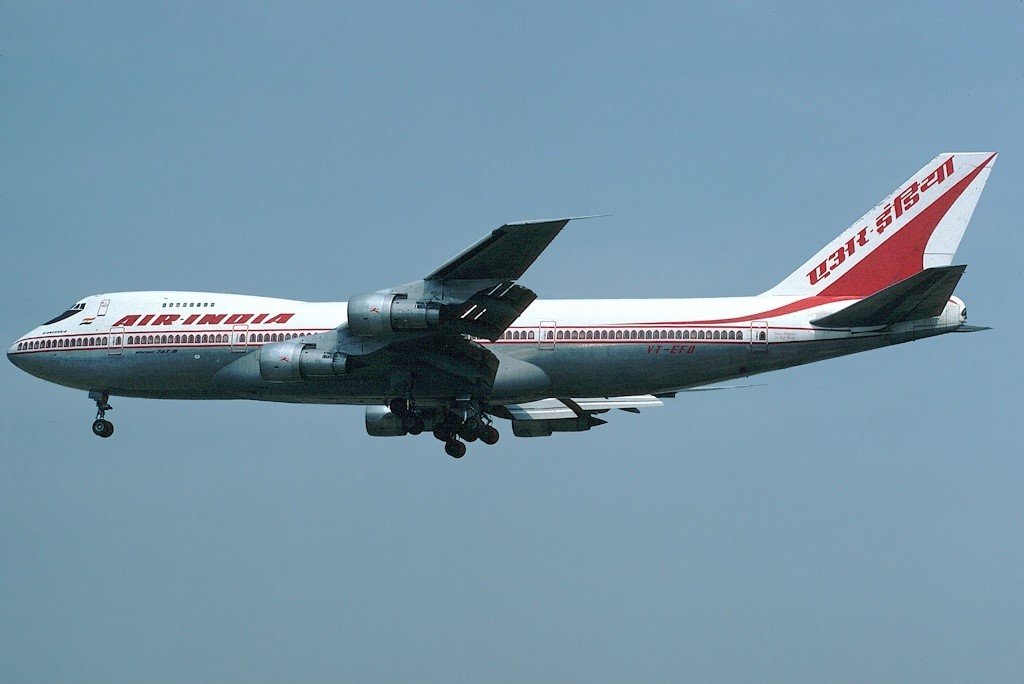
Canada has formally acknowledged that the 1985 Air India Flight 182 bombing, which killed 329 people, was perpetrated by Khalistani extremists, marking a significant diplomatic and historical reckoning four decades after the attack.
The bombing of Flight 182 on June 23, 1985, remains the deadliest aviation terrorism attack in history. The aircraft, operating between Montreal and London with a stopover in New Delhi, was destroyed over the Irish Atlantic after a bomb concealed in baggage detonated at 31,000 feet. Among the 329 dead were 280 Canadian citizens of Indian origin, 27 British citizens, and others from multiple nations.
Canada’s formal acknowledgment comes following a public inquiry and mounting international pressure to confront the extremist networks that had operated with relative impunity within Canadian territory during the 1980s. The bombing was part of a broader campaign of Khalistani separatist violence targeting Indian interests and institutions across North America during that period.
For India, the attack represented a watershed moment in understanding the transnational threat posed by Khalistani extremism. The incident catalysed enhanced security protocols across Indian aviation, maritime, and diplomatic infrastructure. India’s civil aviation authority subsequently strengthened baggage screening procedures, intelligence coordination with international partners, and security vetting for personnel accessing critical airport facilities.
The bombing also underscored the vulnerability of civilian infrastructure to organised terrorist operations and informed India’s broader internal security doctrine. The incident led to intensified counter-terrorism coordination with international agencies and contributed to India’s evolving counter-extremism strategies targeting cross-border support networks operating from North America and Europe.
Canada’s formal acknowledgment addresses longstanding grievances within India’s political establishment and diaspora communities who had questioned the adequacy of Canadian law enforcement response to extremist activities on Canadian soil during the 1980s. The recognition also reinforces contemporary bilateral security cooperation between India and Canada on counter-terrorism and organised crime investigations.
The Air India bombing remains a reference point in India’s strategic assessment of transnational terrorism threats, particularly the capacity of diaspora-based extremist networks to mobilise resources, operationalise complex attack planning, and sustain campaigns across jurisdictions with weak security coordination mechanisms.
-

-

-

-