Yemen is facing a fresh escalation in fighting as Iran-aligned Houthi forces and forces loyal to Yemen’s internationally recognised government battle across several fronts in the country’s southwest. The latest clashes, concentrated around Taiz, Hodeidah and the western Red Sea coast, have become some of the most intense fighting seen in Yemen in years and are increasing concerns over the security of one of the region’s most important maritime routes.
The renewed confrontation comes against the backdrop of the wider Iran-US conflict, adding another layer of complexity to Yemen’s long-running civil war. The Houthis, who maintain close ties with Tehran, have stepped up their military activity while Saudi-backed government forces are attempting to regain strategically important territory and prevent further Houthi advances towards the Red Sea coast.
Recent fighting has centred on western Taiz and southern Hodeidah. Yemeni government forces have reported making territorial gains, including the recapture of Hais district south of Hodeidah. The area is strategically significant because it connects Hodeidah with Taiz and Ibb and sits close to routes leading towards Yemen’s western coastline.
The escalation has also carried a heavy human cost. More than 60 people, including civilians, were reported killed in recent clashes, while other reports have put the combatant death toll from the latest fighting considerably higher. The violence follows the breakdown of the relative calm that had prevailed along much of Yemen’s front line after the 2022 truce.
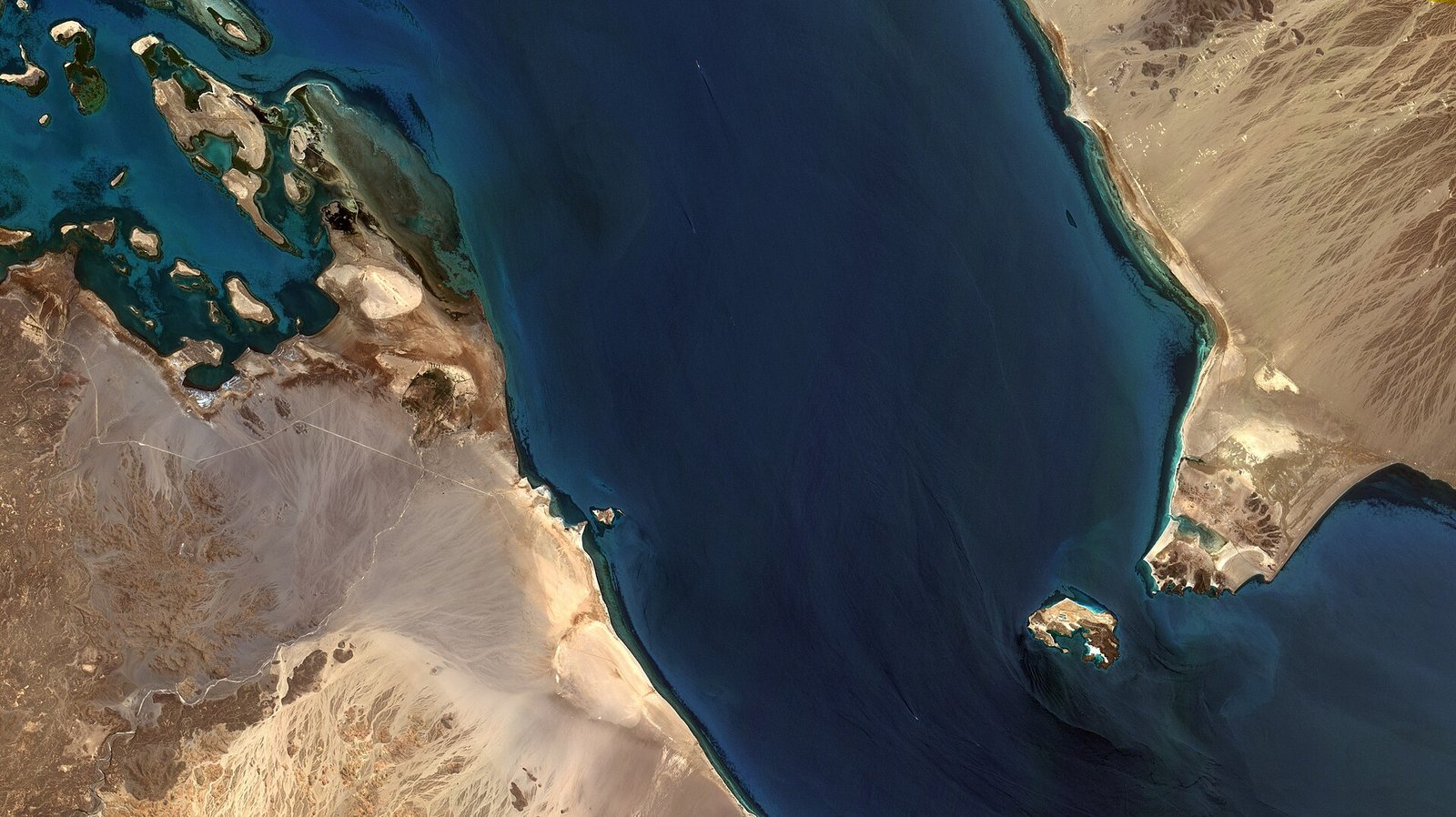
The strategic importance of the fighting goes beyond Yemen itself. The western coastline provides access to the Red Sea and the wider Bab al-Mandab region, a critical maritime chokepoint connecting the Red Sea with the Gulf of Aden and the Indian Ocean. Any prolonged disruption in this area could affect commercial shipping, energy movements and international trade.
The Houthis have already demonstrated their ability to threaten maritime traffic. In August, the group claimed responsibility for attacks on vessels in the Red Sea and continued its campaign against what it described as Saudi-linked shipping. Earlier incidents have shown how quickly threats in the Bab al-Mandab area can force shipping operators to reconsider routes and increase security measures.
For Saudi Arabia, the latest developments are particularly sensitive. Riyadh has spent years supporting Yemen’s internationally recognised government while also trying to avoid a return to the large-scale military intervention that characterised the earlier phase of the Yemen war. However, continued Houthi attacks against Saudi-linked maritime interests or infrastructure could increase pressure on the kingdom to respond.
The maritime dimension has become even more important because the Strait of Hormuz is simultaneously facing disruption amid the wider Iran-related conflict. With shipping and energy markets already dealing with increased risks around major Middle Eastern waterways, another serious crisis around Bab al-Mandab could create additional pressure on global supply chains.
The Houthis’ position also makes Yemen an important component of Iran’s wider regional network of partners and aligned armed groups. While the extent of direct Iranian operational involvement in each Houthi action remains difficult to establish, the group has long maintained political and military ties with Tehran. This connection means that developments in Yemen are being closely monitored as part of the broader regional confrontation.
The current fighting could therefore have consequences well beyond the immediate battlefields. If government forces succeed in preventing the Houthi advance, the escalation may remain largely concentrated inside Yemen. But a sustained Houthi push towards strategically important coastal areas, combined with attacks on Saudi-linked vessels or Red Sea shipping, could turn the conflict into a much broader maritime security crisis.
For now, Yemen remains caught between an unresolved internal conflict and the rapidly changing regional security environment. The latest clashes demonstrate that the country’s front lines are once again becoming active, while the proximity of the fighting to the Red Sea raises the possibility that any further escalation could affect international shipping and regional energy security.
-

-

-

-