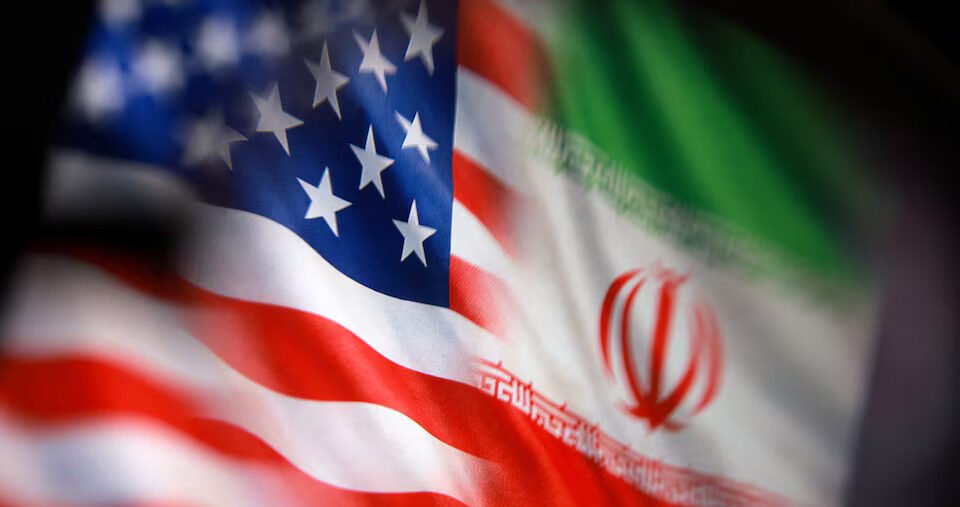
The United States has threatened a significantly larger military strike against Iran, potentially targeting up to 80 sites, US officials said. The potential operation was described as four to five times larger in scope than previous strikes, marking a sharp escalation in regional tensions following Iranian missile attacks on Israeli territory.
Iran’s leadership has responded by vowing immediate and decisive retaliation, signalling that any new American military action would trigger a broader regional conflict. The exchange of threats underscores the fragile security equilibrium in the Middle East, where tit-for-tat escalations between the US and Iran have repeatedly brought the region to the brink of open warfare.
The escalating rhetoric reflects deepening American concerns over Iran’s ballistic missile programme and its regional proxy networks. Over the past decade, Iran has expanded its missile arsenal dramatically, developing variants of the Shahab and Emad series capable of striking targets across the Middle East and beyond. These systems have become central to Iran’s deterrent posture and its ability to project power across the region.
For India, the escalating US-Iran tensions carry strategic implications. India maintains energy security partnerships with Iran and has historically balanced its ties with both Tehran and Washington. Any major conflict in the Persian Gulf would disrupt global oil supplies and shipping lanes that are critical to Indian economic interests. India imports nearly 80 percent of its crude oil, and Iran remains a significant supplier despite international sanctions.
The potential widening of the conflict also affects India’s defence procurement environment. Any major regional war would likely accelerate US military deployments in the Indian Ocean, potentially shifting the balance of naval power in waters where India operates its expanding carrier strike groups. It could also influence US arms sales policies and technology transfer agreements with New Delhi.
India’s defence establishment has historically monitored Iranian military capabilities and regional power dynamics with close attention. The Indian Navy regularly deploys vessels through the Arabian Sea and Persian Gulf, maintaining freedom of navigation through one of the world’s most strategically vital waterways. A wider US-Iran conflict would test India’s ability to protect its maritime interests while managing diplomatic relationships with both powers.
The threatened strike also carries implications for India’s naval modernisation plans and coastal security posture. Any disruption to shipping through the Strait of Hormuz would have immediate ripple effects on Indian ports and maritime trade. India’s 7,600-kilometre coastline and growing merchant fleet underscore the country’s stake in regional stability.
Indian defence officials have maintained a cautious stance on Middle Eastern conflicts, prioritising national security interests over ideological alignment. New Delhi’s approach emphasises dialogue and de-escalation while protecting its economic and strategic footprint in the region.
-

-
-

-