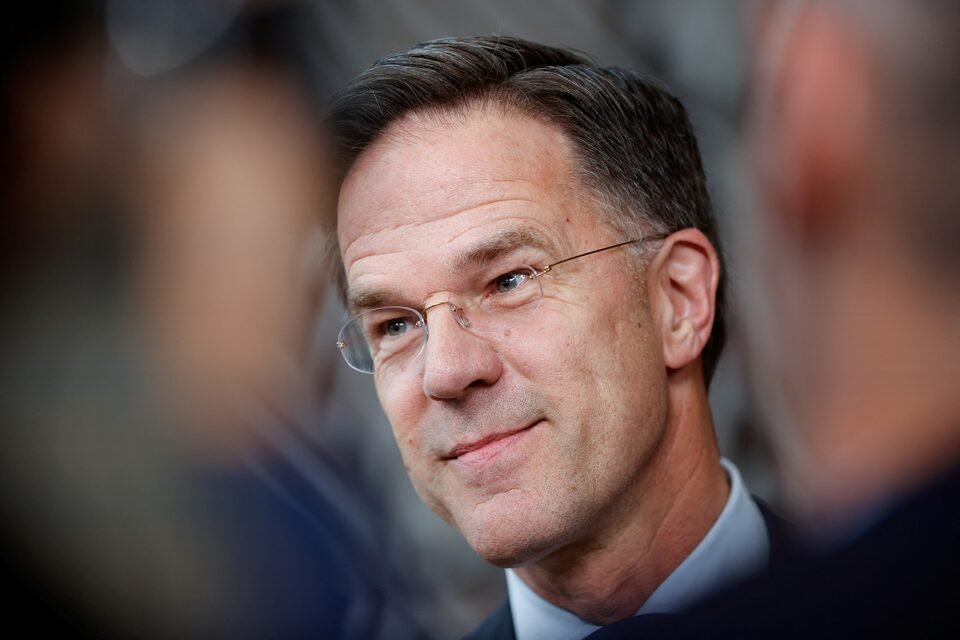
NATO Secretary General Mark Rutte has stated that the United States is not withdrawing from its commitments to the alliance despite recent discussions about reducing defence spending in Europe, according to reports.
Rutte’s statement comes at a time when questions have been raised about the sustainability of American military support to NATO members, particularly in the context of broader US strategic priorities and fiscal considerations.
The NATO chief’s remarks underscore the importance the alliance places on sustained American engagement, which remains the cornerstone of European collective defence architecture. The US maintains the largest defence budget globally and provides the preponderance of NATO’s military capability, including air defence, strategic airlift, and intelligence assets that underpin allied operations across Europe and the Atlantic.
NATO operates through an integrated military command structure with two strategic commands: Allied Command Operations and Allied Command Transformation. The alliance’s combined military spending exceeds $1 trillion annually, though burden-sharing remains a contentious issue, with many European members historically spending below the two percent of GDP target established at the 2006 Riga Summit.
India, while not a NATO member, maintains strategic partnerships with several alliance members including the US, France, and the UK. New Delhi has increasingly aligned with Western security frameworks through mechanisms like the Quad, bilateral defence agreements, and participation in joint military exercises. Indian defence planners view NATO’s stability as relevant to Indo-Pacific security, given that several NATO members operate naval forces in the Indian Ocean Region.
The statement also reflects ongoing European efforts to strengthen autonomous defence capabilities through the EU’s European Defence Fund and various joint procurement initiatives, even as NATO remains the primary mechanism for transatlantic security cooperation. This dual-track approach, where Europe invests in indigenous capabilities while maintaining robust NATO interoperability, has implications for global defence procurement patterns and technology partnerships.
Rutte, who previously served as Prime Minister of the Netherlands and took office as NATO Secretary General in October 2024, has been focused on bridging differences within the alliance and maintaining consensus on collective defence commitments. His reassurance is aimed at member states concerned about continuity in American strategic engagement, particularly as the alliance faces evolving security challenges in Eastern Europe and the broader Euro-Atlantic region.
-

-

-

-