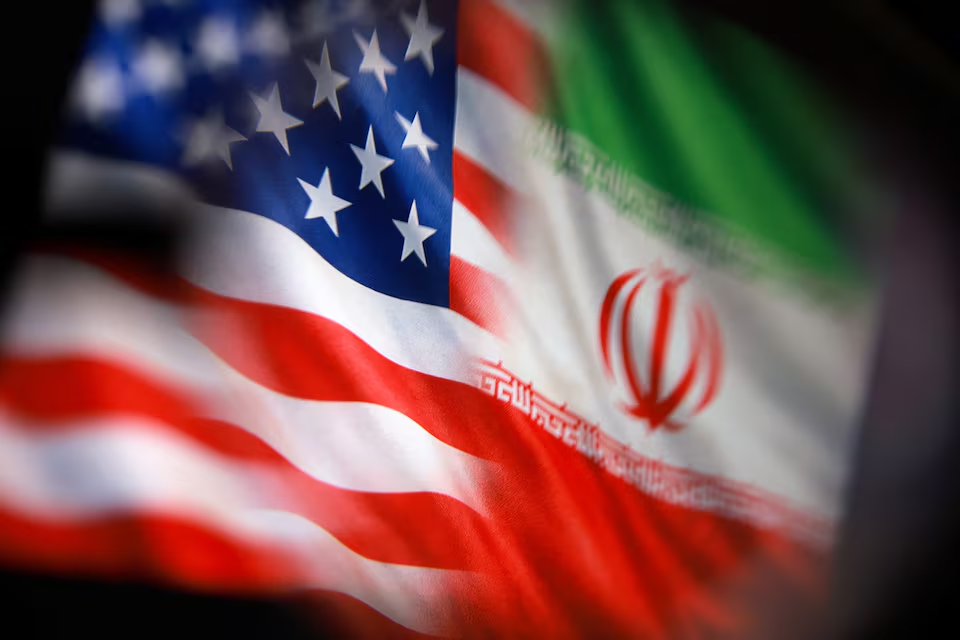
The United States and Iran concluded high-level talks in Switzerland with a structured 60-day roadmap and agreements on security arrangements for the Strait of Hormuz, according to reports. The talks represent a significant diplomatic engagement between the two nations on regional stability and maritime security in one of the world’s most critical chokepoints.
The Strait of Hormuz remains central to global energy security, with roughly one-third of all seaborne oil transit passing through its waters annually. Any escalation in the region directly impacts maritime chokepoints that affect Indian trade routes and energy imports, making stability there a strategic priority for New Delhi.
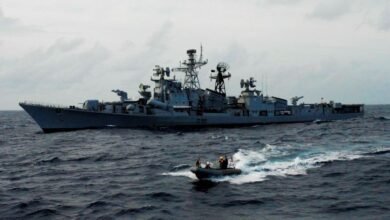
India sources approximately 60 percent of its crude oil imports from the Middle East, with a significant portion transiting the Hormuz Strait. The Indian Navy has maintained a steady operational presence in the Arabian Sea and Gulf of Oman through routine patrols and anti-piracy missions under its ongoing maritime security mandate.
The 60-day roadmap signals a phased diplomatic approach to resolving deeper tensions between Washington and Tehran over nuclear programmes, sanctions regimes, and regional proxy activities. The inclusion of Hormuz security measures reflects international concern over repeated maritime incidents, including tanker seizures and attacks on commercial shipping.
India’s defence establishment has consistently emphasised that regional stability depends on freedom of navigation and unimpeded commerce through international waters. The Indian Navy operates advanced surface combatants, submarines, and maritime patrol aircraft to secure these sea lanes against non-state actors and maintain the balance that underpins regional security architecture.
New Delhi maintains a calibrated diplomatic posture toward both the US and Iran, balancing strategic partnerships with the United States through defence cooperation frameworks while preserving historical ties with Iran. India’s abstention or measured positions in international forums on Iran-related resolutions reflect this careful equilibrium.
Any sustained de-escalation in US-Iran relations could ease pressure on global energy markets and reduce volatility in Middle Eastern geopolitics, both favourable outcomes for India’s energy security and naval operations. Conversely, breakdown in this diplomatic engagement would likely trigger renewed maritime tensions and increased operational demands on the Indian Navy’s limited resources across the Indian Ocean region.
-

-

-
-