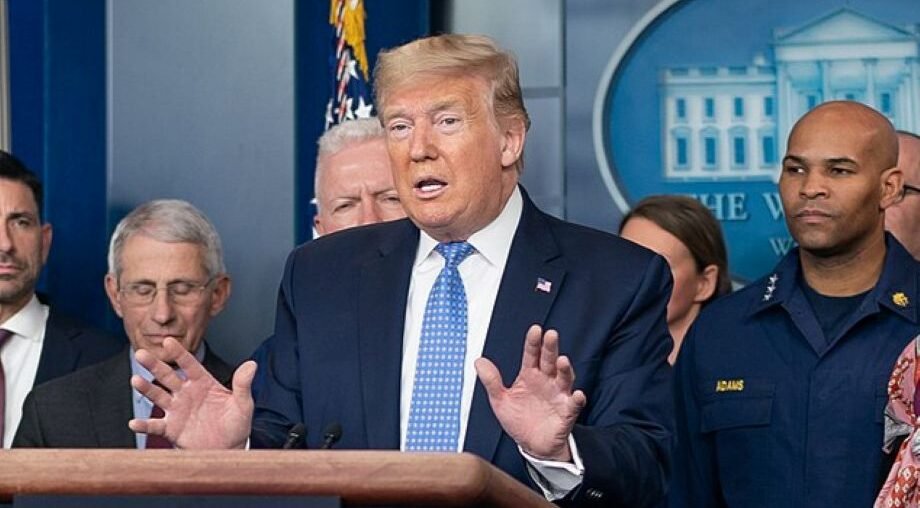
The United States has highlighted India’s efforts to tackle illicit opium cultivation, with President Donald Trump welcoming the measures taken by Prime Minister Narendra Modi’s government even as Washington continues to include India in its annual list of major drug-transit or illicit drug-producing countries.
The latest position was outlined in the US Presidential Determination for fiscal year 2027, which was submitted to Congress on September 15 and released publicly on September 16. The determination identifies 23 countries under the US “Major’s List,” including India, China, Pakistan, Afghanistan, Mexico, Colombia and Venezuela.
Trump’s comments specifically recognised India’s action against illegal opium poppy cultivation. The US President said he welcomed the efforts of Prime Minister Modi and the Indian government to address illicit cultivation and strengthen supply-chain integrity. He also said Washington would continue working with New Delhi through the United States-India Drug Policy Framework.
The simultaneous inclusion of India on the broader US drug list does not, however, constitute a separate finding that the Indian government has failed in its counter-narcotics responsibilities. The US determination explains that countries can be included because of geographic, commercial and economic circumstances that allow illicit drugs or precursor chemicals to be produced or transported through their territories.
This distinction is significant in the latest assessment. The US document separately identifies four countries—Afghanistan, Bolivia, Burma and Colombia-as having failed demonstrably during the previous 12 months to make substantial efforts to meet their international counter-narcotics obligations. India is not included in that separate category.
The latest US position also places greater emphasis on international cooperation against the wider narcotics supply chain. Alongside its comments on India, the Trump administration has raised concerns about precursor chemicals used in the manufacture of synthetic drugs, including fentanyl and methamphetamine.
For India, the development brings attention to both domestic action against illicit cultivation and continued engagement with the United States on counter-narcotics issues. Washington’s recognition of India’s efforts indicates that cooperation on drug-control measures remains part of the bilateral policy framework.
India’s inclusion in the FY2027 list therefore reflects the statutory US designation of countries associated with major drug production or transit, while Trump’s separate remarks acknowledge steps being taken by New Delhi against illicit opium cultivation. The two elements appear together in the latest US assessment without treating the broader designation as a direct judgement on India’s counter-narcotics performance.
The development is likely to keep India-US cooperation on narcotics control, illicit cultivation and supply-chain security on the bilateral agenda as both countries continue coordination through their existing drug-policy framework.
-

-

-

-