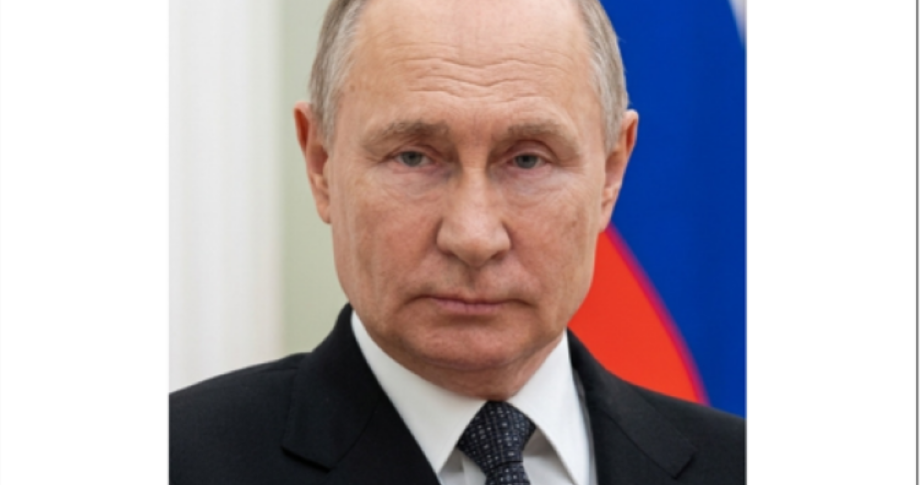
Russian President Vladimir Putin held high-level discussions with Iran’s senior security official Mohsen Rezaei at the Kremlin in Moscow on November 5, 2026, highlighting the continuing diplomatic engagement between the two countries amid escalating geopolitical tensions in the Middle East.
Rezaei, who serves as Secretary of Iran’s Supreme National Security Council, met Putin to discuss important regional and international developments. According to Iranian state media, he also delivered a message from Iran’s Supreme Leader Ayatollah Mojtaba Khamenei to the Russian president. However, the contents of the message have not been publicly disclosed.
The meeting comes at a sensitive time for regional security, with diplomatic efforts continuing to address the conflict involving Iran, the United States and Israel. Moscow and Tehran have maintained close political engagement as international efforts to reduce tensions and establish a framework for regional stability continue.
Speaking after the meeting, Rezaei indicated that discussions covered significant regional security matters, including arrangements for the post-war period. He also highlighted Russia’s position on supporting efforts to bring an end to the conflict. The discussions reflected Tehran’s interest in maintaining diplomatic coordination with Moscow while navigating its complicated relationship with Washington.
Energy cooperation was another important subject raised during the Kremlin discussions. Rezaei mentioned plans involving a natural gas pipeline connecting Russia and Iran. The proposed infrastructure could help address Iran’s domestic gas shortages while potentially allowing Russian gas supplies to reach neighbouring countries through Iranian territory. If developed, the project could become an important element of broader energy cooperation between the two countries.
The meeting also took place against the backdrop of continuing diplomatic disagreements between Tehran and Washington. Key issues surrounding possible negotiations include the future of the strategically important Strait of Hormuz, restrictions affecting Iranian ports, economic sanctions and the future of Iran’s nuclear programme.
Rezaei stated that Iran had communicated seven conditions to the United States for diplomatic engagement. He indicated that Tehran would not agree to reopen the Strait of Hormuz or resume negotiations until Washington addressed those conditions. His remarks underline the significant differences that continue to complicate efforts towards a diplomatic settlement.
Russia has repeatedly expressed its willingness to support diplomatic initiatives aimed at reducing tensions in the region. Putin’s latest engagement with the Iranian security official follows his earlier meeting with Iranian President Masoud Pezeshkian in Moscow on October 27, demonstrating continued communication between the leadership of both countries.
The two governments have also strengthened their broader strategic relationship through cooperation in areas including trade, energy, security and infrastructure. Their comprehensive strategic partnership agreement, signed in January 2025, provides a framework for expanding bilateral engagement, although it does not establish a mutual defence obligation.
The latest Kremlin meeting therefore carries significance beyond routine diplomatic consultations. With regional security, energy supplies and international negotiations all remaining major concerns, continued communication between Moscow and Tehran could influence future diplomatic developments.
Although no major agreement or specific outcome from the November 5 meeting has been publicly announced, the discussions demonstrate that Russia and Iran intend to maintain close contact during a period of considerable regional uncertainty.
-
-
-
-