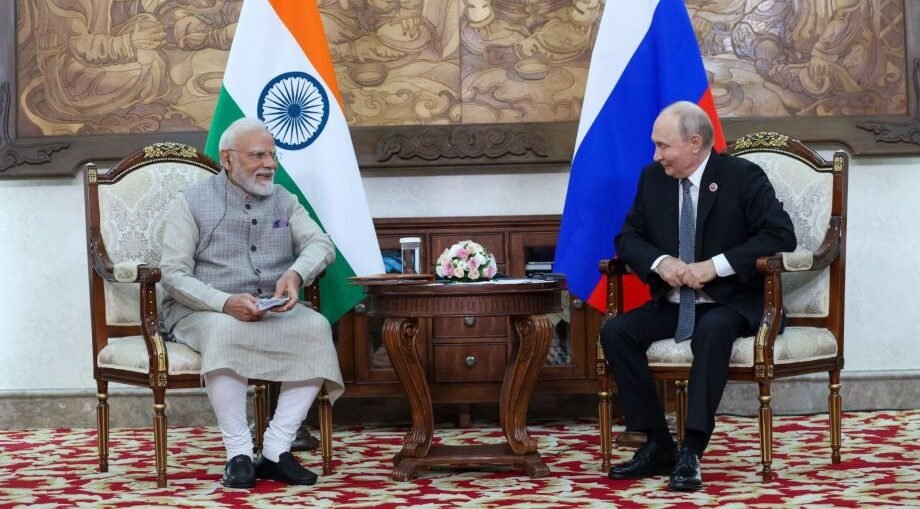
India and Russia are preparing for a fresh round of high-level discussions as Russian President Vladimir Putin is scheduled to meet Prime Minister Narendra Modi in New Delhi on September 11. The meeting comes at an important stage in bilateral relations, with both countries looking to expand cooperation beyond their traditional areas of defence and energy.
Nuclear power is expected to be one of the major subjects during the talks. India is seeking to significantly expand its nuclear electricity generation over the coming decades as part of its broader effort to strengthen energy security and reduce dependence on conventional energy sources. Russia, which has extensive experience in nuclear reactor technology and project development, remains an important partner for New Delhi in this sector.
The Kudankulam Nuclear Power Project in Tamil Nadu remains the most prominent example of India-Russia civilian nuclear cooperation. Russian technology and expertise have played a central role in the development of the facility, while additional reactor units are being developed as part of the wider project. Discussions on further nuclear cooperation could potentially lay the groundwork for expanding this partnership to new locations and projects.
The nuclear discussions also come as India works toward its long-term ambition of substantially increasing installed nuclear capacity by 2047. New reactor projects, technology partnerships and reliable international suppliers will be important components of that expansion. Cooperation with Russia could consequently become an important element of India’s future nuclear energy programme.
Defence cooperation is another major area likely to receive attention during the Modi-Putin meeting. India and Russia have maintained decades of military cooperation involving aircraft, missiles, air-defence systems, naval equipment and other platforms. The relationship is now increasingly moving toward advanced technology and joint production as India places greater emphasis on domestic defence manufacturing.
The Russian Su-57 fifth-generation fighter is also expected to feature in discussions surrounding future defence cooperation. Moscow has expressed interest in the aircraft’s potential role in the Indian market, while New Delhi continues to evaluate options for strengthening its future combat-aircraft capabilities. Any movement on the issue could have wider implications for India’s military aviation plans.
Beyond individual defence platforms, the two countries are also looking at opportunities to deepen industrial and technological cooperation. India has been seeking greater access to advanced technologies while encouraging foreign partners to participate in domestic manufacturing. Russia, meanwhile, remains interested in maintaining its position as a major defence and technology partner for India.
Economic and financial cooperation is likely to form another important part of the discussions. India and Russia have been working to make bilateral trade more resilient by expanding mechanisms for transactions in national currencies. Such arrangements have become increasingly important as both countries look for ways to facilitate trade despite changes in the international financial environment.
Energy remains a major component of the economic relationship. Alongside nuclear cooperation, India and Russia have significant engagement in the broader energy sector. New areas of cooperation, including technology, critical minerals and industrial partnerships, could further diversify bilateral economic ties.
Putin’s visit also carries wider diplomatic significance because it coincides with India’s hosting of the BRICS Summit in New Delhi. The bilateral meeting with Modi will provide the two leaders with an opportunity to discuss issues specific to their strategic partnership alongside their participation in the larger multilateral gathering.
For New Delhi, maintaining a stable relationship with Moscow remains relevant to India’s defence preparedness, energy requirements and strategic autonomy. For Russia, India represents an important long-term partner in Asia and a major market for energy, defence equipment and technology cooperation.
The outcome of the September 11 meeting could therefore provide an indication of the future direction of India-Russia relations. While major announcements will depend on the discussions between the two leaders, the expected agenda suggests that both sides are seeking to broaden their partnership through nuclear energy, defence technology, trade and emerging strategic sectors.
-
-

-

-