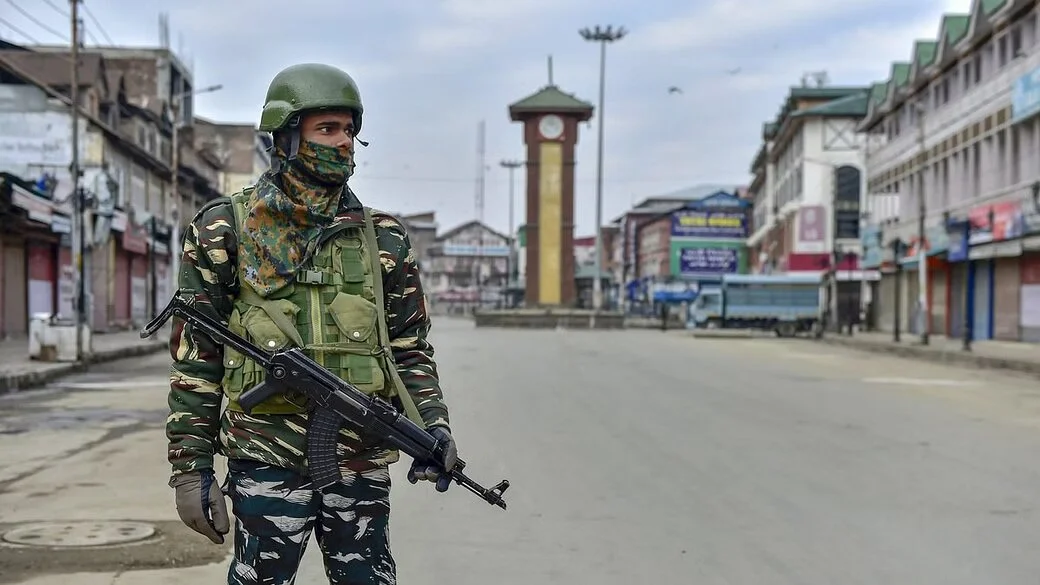
Delhi Police have dismantled a Pakistan-linked terror module operating in the capital, with investigators uncovering plans to conduct attacks in Kashmir and conduct surveillance of CCTV systems at railway stations, according to official disclosures in the ongoing probe.
The busting of the module represents a significant counter-terrorism operation by India’s internal security apparatus at a time when cross-border militant networks continue to attempt infiltration and recruitment within Indian territory. The dual focus of the module on both Kashmir operations and critical infrastructure surveillance underscores the evolving threat matrix facing Indian security agencies.
Kashmir remains a persistent theatre of militant activity, with Pakistan-based terror groups maintaining active recruitment and operational networks aimed at destabilizing the region. The presence of plans targeting Kashmir within this Delhi-based module reflects the long-standing pattern of coordination between handlers across the border and operational cells within India.
The surveillance aspect targeting railway station CCTV infrastructure points to reconnaissance activities typical of terror networks seeking to identify security vulnerabilities at high-footfall civilian locations. India’s railway network, handling over 20 million passengers daily, has historically been a target of security concern for counter-terrorism agencies, necessitating continuous refinement of surveillance and access control protocols at major stations.
India’s counter-terrorism operations, coordinated between Delhi Police, Central Bureau of Investigation, and intelligence agencies, have intensified scrutiny of cross-border terror recruitment networks. The dismantling of this module adds to the operational record of disrupting Pakistan-linked cells, a consistent priority for Indian security establishment since the 2001 Parliament attack and the 2008 Mumbai attacks sharpened focus on trans-border militant networks.
The investigation into this module’s personnel, communication channels, and funding sources will likely yield intelligence on broader terror ecosystem operations. Such operations reinforce India’s reliance on human intelligence, digital forensics, and inter-agency coordination as core pillars of internal security strategy.
-

-

-

-