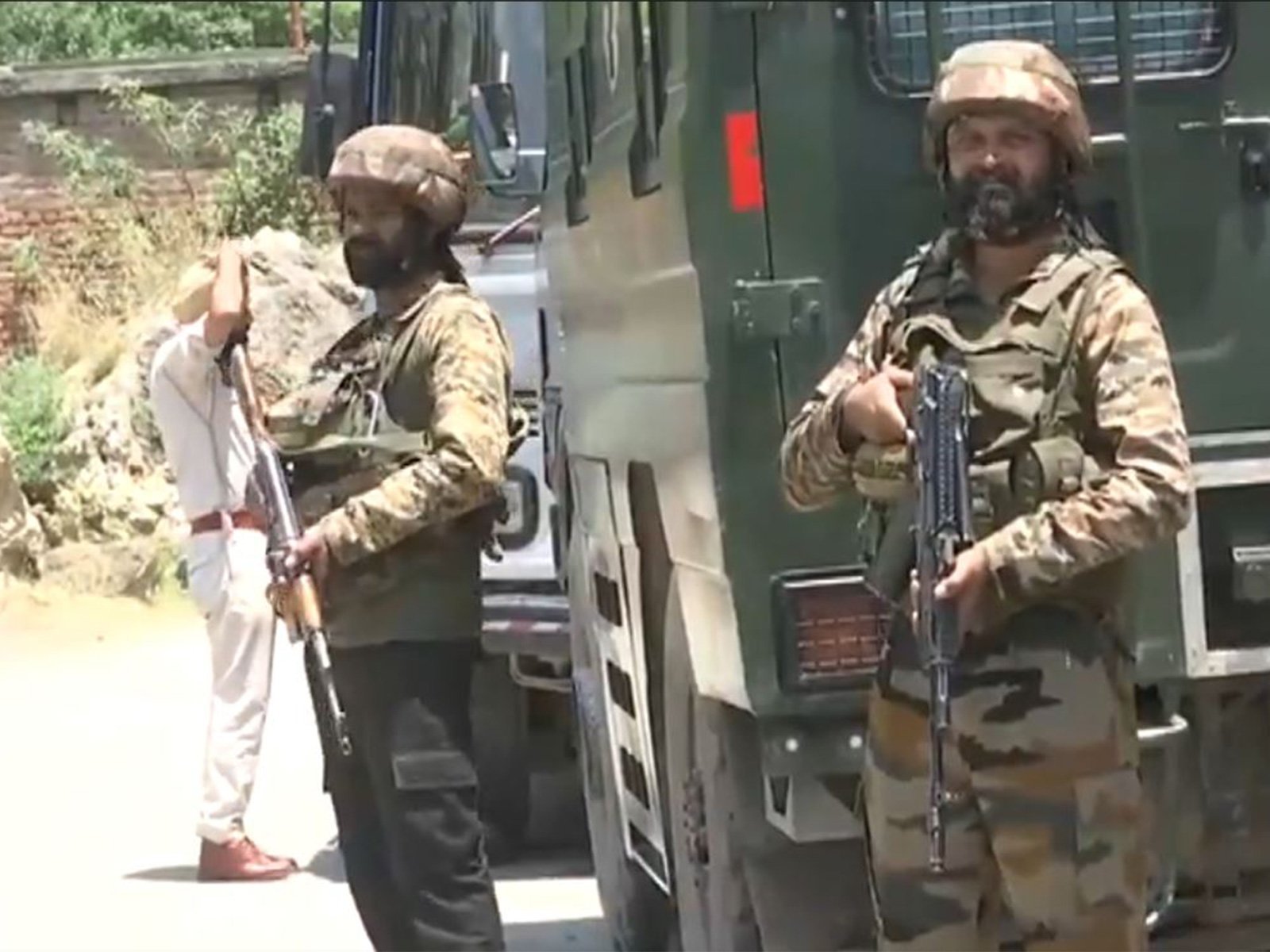
Operation Sheruwali, the ongoing counter-terrorism search operation in Rajouri district of Jammu and Kashmir, entered its 31st day with security forces continuing intensive ground operations across the mountainous terrain, according to officials.
The operation, launched by the Indian Army in coordination with Jammu and Kashmir Police and Central Armed Police Forces, has focused on locating and neutralizing terrorist elements believed to be operating in the Rajouri region. The extended duration of the operation underscores the challenging geography and the persistent threat posed by militant groups active in the district.
Rajouri district, located in the Poonch-Rajouri sector, has historically been a zone of militant infiltration and cross-border activity. The terrain, characterized by dense forests and high-altitude passes, provides natural cover for terrorist movements and complicates counter-insurgency efforts. Such extended operations require sustained deployment of troops with robust supply chains and intelligence coordination across multiple agencies.
The Indian Army has increasingly employed coordinated cordon-and-search operations as a standard counter-terrorism doctrine in Jammu and Kashmir. These operations combine aerial surveillance, ground patrols, and human intelligence to systematically sweep designated areas. The 31-day duration reflects both the scale of the search area and the deliberate pace required to minimize civilian casualties while maximizing operational effectiveness.
Kashmir and Jammu have witnessed cyclical surges in militant activity, with operations like Sheruwali becoming routine in the Army’s counter-insurgency playbook. The security establishment employs a multi-layered approach, including regular cordon operations, intelligence-led strikes, and border management, to disrupt terrorist networks and prevent cross-border infiltration.
The continuation of search operations into the fourth week indicates either that the target remains unlocated, or that the operation is being extended to sweep additional areas or secure intelligence. The Army typically sustains such operations until terrorist suspects are neutralized or apprehended, or until intelligence indicates the need to expand or conclude the search phase.
Operations in Rajouri and the broader Poonch-Rajouri sector remain critical to India’s internal security posture in Jammu and Kashmir, particularly given the district’s proximity to the Line of Control and established infiltration routes.
-

-

-
-