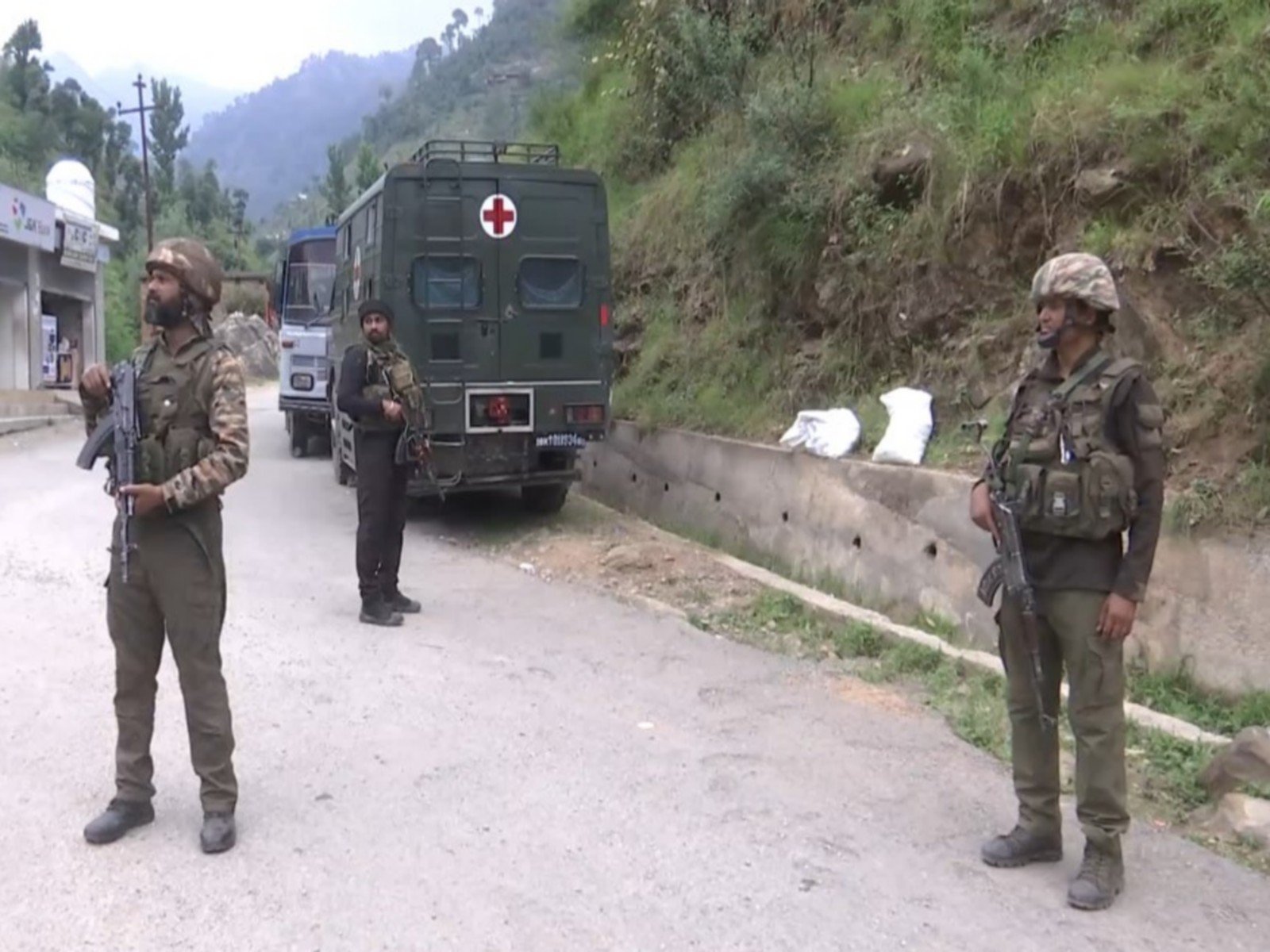
The Indian Army is on day 21 of Operation Sherawali, maintaining intensive search operations in the Rajouri sector of Jammu and Kashmir as part of its ongoing counter-insurgency campaign in the region.
Operation Sherawali represents the Army’s sustained response to militant activity in the Rajouri-Poonch belt, a strategically sensitive area along the Line of Control where cross-border infiltration and terrorist attacks have historically posed a persistent security challenge. The operation’s extended duration underscores the complexity of operations in the region’s difficult terrain.
Rajouri district, situated in the Jammu division, has witnessed significant militant activity over the past decade. The mountainous terrain, dense forests, and proximity to the LoC make it a traditional infiltration corridor. Security forces in the area operate under challenging climatic and geographical conditions that require sustained commitment and specialized tactical expertise.
The naming of the operation as Sherawali carries symbolic significance in military tradition, invoking historical warrior spirit. Such designations reflect the Army’s doctrine of naming counter-insurgency operations after historical figures or concepts that resonate with operational objectives and unit heritage.
Counter-insurgency operations in Jammu and Kashmir typically involve coordinated efforts between multiple security agencies: the Army, Jammu and Kashmir Police, Central Armed Police Forces, and intelligence agencies. These operations rely on a combination of area domination, cordon-and-search tactics, and intelligence-driven targeting to neutralize militant threats while minimizing civilian impact.
The 21-day timeline indicates a methodical approach to clearing identified areas of militant presence. Extended operations of this nature often follow actionable intelligence about terrorist camps, arms caches, or militant movement patterns, particularly during seasons when terrain accessibility improves.
Rajouri has historically been a focus area for security forces due to its strategic location and the presence of multiple militant groups with varying organizational structures and operational capabilities. The region’s significance in India’s internal security architecture remains high, warranting continuous monitoring and periodic large-scale operations.
The continuation of Operation Sherawali reflects the Army’s commitment to maintaining pressure on militant infrastructure in the region, preventing consolidation of terrorist presence, and disrupting supply lines used for weapons and explosives trafficking across the LoC.
-

-

-

-