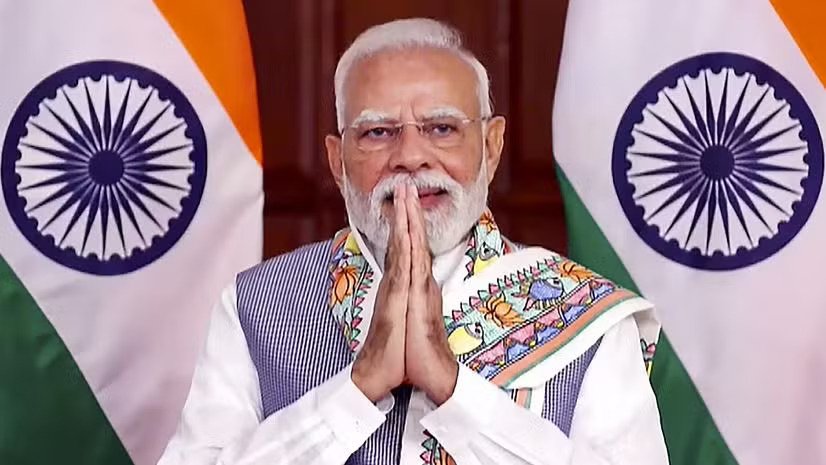
Prime Minister Narendra Modi is intensifying India’s diplomatic and strategic engagement across the Indo-Pacific region, leveraging partnerships with Pacific island nations and regional powers even as China conducts advanced missile tests and the United States recalibrates its regional posture.
The outreach reflects New Delhi’s broader strategy to consolidate India’s position as a net security provider in the Indian Ocean and extended Indo-Pacific theatre, a role that has gained strategic weight as great power competition reshapes the region’s geopolitical landscape.
India’s Indo-Pacific strategy rests on three pillars: maritime security cooperation, economic engagement through forums like the Quad (India, US, Japan, Australia), and bilateral defence partnerships with key regional players. The Ministry of External Affairs has progressively expanded India’s footprint in the Pacific through naval deployments, coast guard capacity-building programmes, and participation in multilateral exercises.
China’s recent missile tests underscore the military dimension of regional competition. Beijing has accelerated its hypersonic and anti-ship missile programmes in recent years, expanding its reach into waters that India considers critical for its own strategic interests. India’s counter has been twofold: expanding its own naval capabilities through platforms like the Visakhapatnam-class stealth frigates and MQ-4C Triton unmanned aerial vehicles, while deepening security ties with regional partners who share concerns about unilateral changes to the status quo.
The shifting US role in the Indo-Pacific reflects broader strategic realignment in Washington. India has calibrated its approach accordingly, neither abandoning the Quad framework nor becoming overly dependent on any single partner. This balancing act is central to New Delhi’s strategic autonomy doctrine, particularly as India pursues critical defence indigenisation programmes that reduce reliance on single-source suppliers.
Modi’s Pacific outreach targets smaller island nations and strategic partners across Southeast Asia, the South Pacific, and the Indian Ocean region. These engagements combine official development assistance, defence capacity-building, and joint exercises. India’s participation in exercises like MALABAR (with the US, Japan, and Australia) and bilateral naval drills with regional navies underscores this commitment.
India’s defence industrial ecosystem has begun positioning itself to support this expanded regional role. Indigenous systems like the BrahMos supersonic cruise missile, Akash air defence system, and Kalvari-class submarines represent the kind of export-ready platforms that New Delhi can offer regional partners seeking credible deterrence without dependency on Cold War alignments.
The strategic context is clear: as China’s military modernisation accelerates and US strategic focus becomes less predictable, India’s role as an independent, rules-based security anchor in the Indo-Pacific is becoming more valuable to regional partners seeking stable frameworks for maritime peace and prosperity.
-

-

-

-