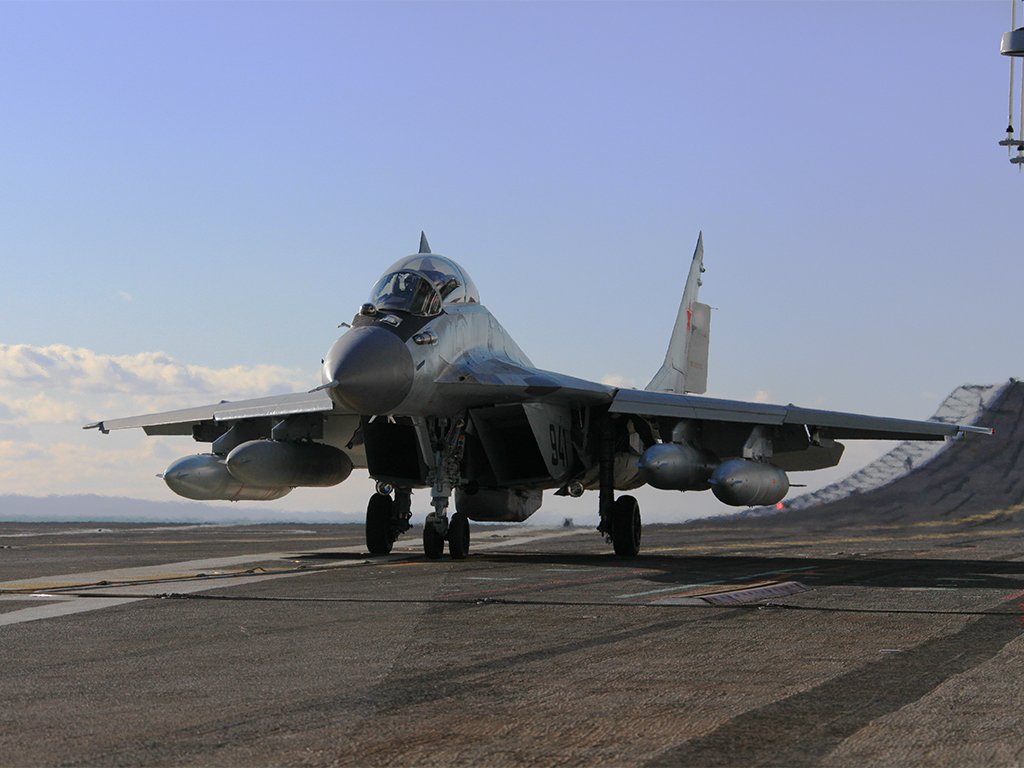
The Indian Navy is preparing to integrate indigenous air-to-air and anti-ship missiles onto its MiG-29K fleet as the service prepares for the arrival of the Rafale-M carrier-based fighter, according to reports. The move underscores New Delhi’s push to reduce dependence on foreign weapons systems and accelerate the indigenisation of its carrier air wing.
The MiG-29K has served as the primary air defence asset aboard INS Vikramaditya, India’s sole operational aircraft carrier, since 2012. Arming these fighters with homegrown munitions represents a significant step in operationalising Indian naval aviation alongside the Rafale-M aircraft, which is expected to join service in the coming years.
India’s indigenous air-to-air missile portfolio includes the Astra family of beyond-visual-range (BVR) missiles developed by DRDO. The Astra Mk-I, operational since 2019, has a range exceeding 100 km and has been integrated across the IAF’s Su-30MKI and Tejas platforms. Development of the more advanced Astra Mk-II is underway, offering extended range and multi-target capability suited to modern air combat scenarios.
For anti-ship missions, the Navy would leverage the Nirbhay cruise missile or the BrahMos family, though carrier integration of the latter remains technically demanding. Indigenous short-range air-to-surface missiles such as the NAG (Nag anti-tank missile) derivative or systems under development through DRDO’s naval weapons programme could address point-defence roles.
The MiG-29K, a Russian-origin carrier variant of the MiG-29, entered Indian Navy service through a contract signed in 2004. The service operates 16 aircraft across two squadrons, 303 and 335. Despite their proven air combat capabilities, these platforms have historically relied on Russian and some Western-origin missiles, creating logistical constraints and operational delays.
The Rafale-M acquisition, part of the 2019 Dassault contract for 36 aircraft, will complement the MiG-29K fleet with superior avionics, longer endurance, and greater payload capacity. However, integrating indigenous weapons across both platforms requires extensive testing, certification, and weapons release authority clearance from naval aviation authorities.
This initiative aligns with the Defence Ministry’s broader Make in India agenda, which prioritises domestic weapon development and reduces foreign exchange outflow. Arming the MiG-29K with Indian missiles also provides operational flexibility during peacetime and crisis scenarios when foreign procurement or logistics chains face disruption.
The move signals confidence in DRDO’s missile development timelines and reflects the Navy’s strategic preference for operational self-sufficiency as India’s carrier force expands toward a tri-carrier posture over the next decade.
-

-

-

-