The Indian Air Force (IAF) is preparing to conduct a major air combat exercise in Uttarakhand, close to the Line of Actual Control (LAC) with China, from November 13 to 21, 2026. The week-long military drill is aimed at evaluating the force’s operational preparedness, aerial combat capabilities and ability to conduct missions in the challenging geographical conditions of the Himalayan region.
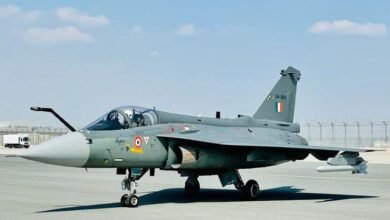
The exercise will involve some of India’s most advanced fighter aircraft, including the Sukhoi-30MKI, Rafale and indigenous Light Combat Aircraft (LCA) Tejas. These frontline platforms are expected to provide an opportunity to assess different operational capabilities and improve coordination during complex air missions. Reports have also mentioned the Mirage 2000 among the aircraft participating in the planned drills.
The location of the exercise holds considerable strategic importance because Uttarakhand forms part of India’s central Himalayan frontier. The mountainous landscape, unpredictable weather, narrow valleys and high-altitude operating conditions create significant challenges for military aviation. Conducting realistic training in this environment will help the IAF evaluate its ability to respond effectively to operational requirements along the northern border.
A major focus of the exercise will be testing combat tactics, including Beyond Visual Range (BVR) engagements. These operations allow fighter aircraft to detect and engage potential aerial threats from considerable distances without requiring direct visual contact. Such capabilities depend on advanced radar systems, sensors, communication networks and coordinated mission planning.
High-altitude aircraft performance will also remain an important area of assessment. Operating in mountainous regions requires careful consideration of engine performance, aircraft handling, fuel management and changing atmospheric conditions. The exercise will provide valuable operational experience to pilots and supporting personnel who may be required to operate in similar environments.
Another important aspect of the planned drills is the effective use of Advanced Landing Grounds (ALGs) and supporting aviation infrastructure. These facilities play a significant role in maintaining air connectivity with remote areas and supporting military movements in strategically important Himalayan locations. The ability to move personnel, equipment and essential supplies quickly across difficult terrain is an important element of operational readiness.
To facilitate the military activity, a Notice to Airmen (NOTAM) has been issued for the designated airspace between November 13 and 21. The notification informs civilian aviation operators about temporary restrictions and allows airlines and pilots to make necessary adjustments to their flight planning. Depending on the designated restriction periods, some commercial flights may need to follow alternative routes or revised schedules.
The upcoming exercise comes amid India’s continued efforts to strengthen its air power and maintain preparedness across strategically important regions. Regular military drills allow the Air Force to evaluate operational procedures, improve pilot proficiency and identify areas requiring further development.
While the exercise highlights India’s focus on maintaining a credible air defence posture near the northern frontier, such training activities are a routine component of military preparedness. The Uttarakhand drills will provide the IAF with an opportunity to test its fighter aircraft, operational coordination and high-altitude combat capabilities in one of the country’s most demanding geographical environments.
-

-
-
-