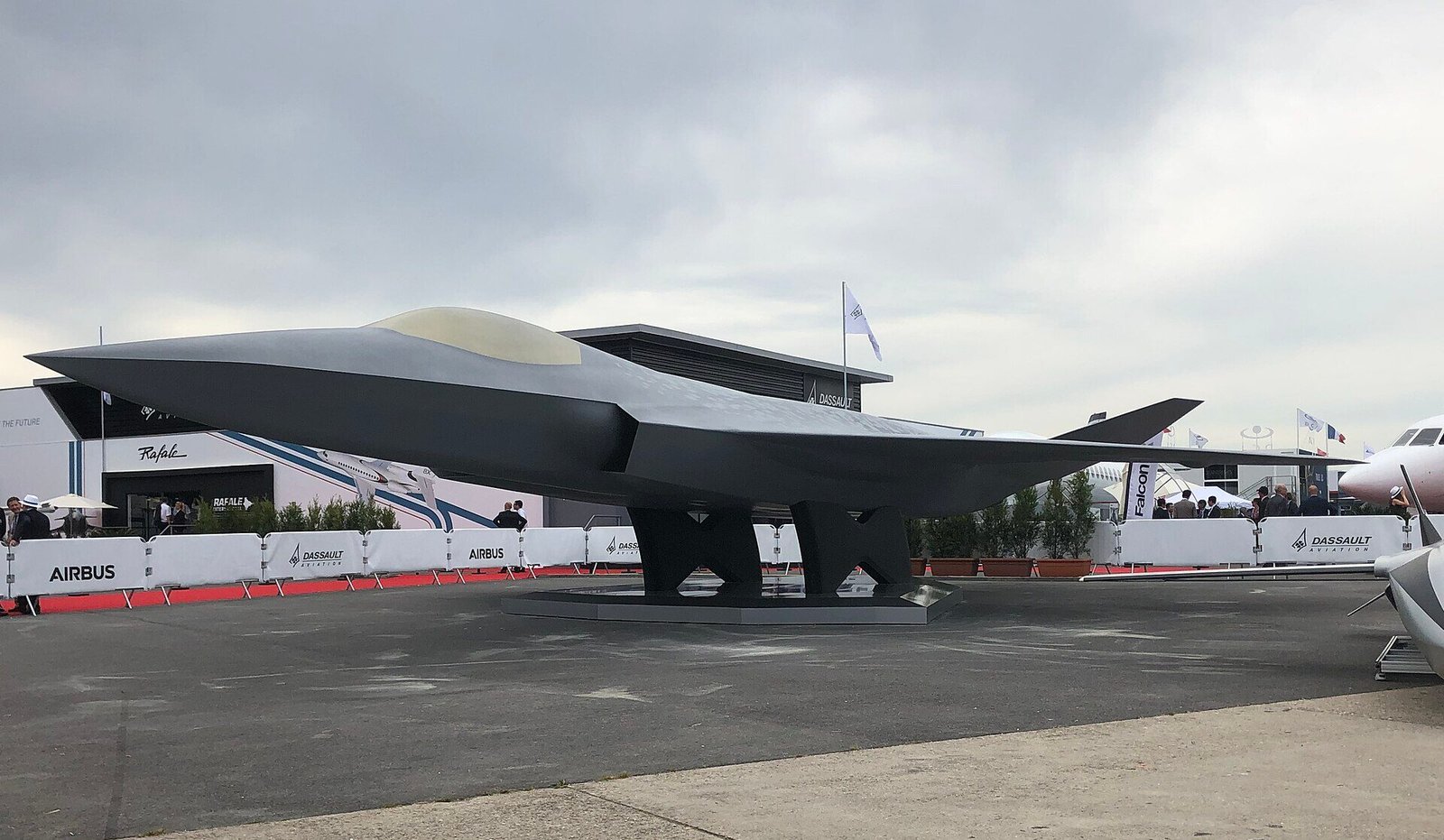
India has emerged as a potential participant in the Future Combat Air System (FCAS) programme following Germany’s reported withdrawal from the ambitious European defence project. The development has sparked discussions over the possibility of New Delhi becoming part of one of the world’s most advanced next-generation military aviation initiatives.
The FCAS programme is among Europe’s most ambitious defence aerospace projects, designed to create a sixth-generation air combat ecosystem. Spearheaded by France with Spain as a key partner, the initiative envisions a networked combat environment that integrates a manned fighter aircraft with unmanned combat systems, artificial intelligence, advanced sensors, and secure communications. The system is intended to replace existing fighter fleets and enter operational service during the 2040s.
India’s potential involvement reflects its long-term strategy of strengthening defence partnerships while accelerating indigenous aerospace development. The Indian Air Force currently operates a diverse fleet comprising Su-30MKI, Rafale, Mirage 2000, MiG-29, and the domestically developed HAL Tejas. Participation in an advanced multinational programme such as FCAS could provide valuable technological collaboration and contribute to India’s future combat aviation capabilities.
Germany’s reported decision to step away from the programme is linked to evolving defence priorities and financial considerations. Its departure has fuelled speculation that France could explore partnerships with countries outside Europe to sustain the programme’s technological and industrial momentum. India is viewed as a credible partner due to its expanding defence manufacturing ecosystem and growing expertise in aerospace engineering.
India has steadily invested in strengthening its domestic defence industry through organisations such as Hindustan Aeronautics Limited (HAL) and the Defence Research and Development Organisation (DRDO). Programmes including the Tejas fighter, Advanced Medium Combat Aircraft (AMCA), and various unmanned aerial systems demonstrate New Delhi’s commitment to building self-reliant defence capabilities. Collaboration on FCAS could complement these efforts by providing exposure to advanced technologies while enhancing opportunities for industrial cooperation.
France and India have significantly expanded their strategic defence relationship over the past decade. The induction of Rafale fighter aircraft into the Indian Air Force, growing naval cooperation, joint military exercises, and collaboration in defence research have strengthened bilateral ties. A potential FCAS partnership would build upon this foundation and further deepen cooperation in next-generation aerospace technologies.
Although no formal agreement has been announced, India’s reported interest in FCAS reflects its broader objective of preparing for future air combat requirements while expanding international defence collaboration. Any future participation would depend on strategic discussions, technology-sharing arrangements, and mutually agreed industrial partnerships between the participating nations.
-

-

-

-