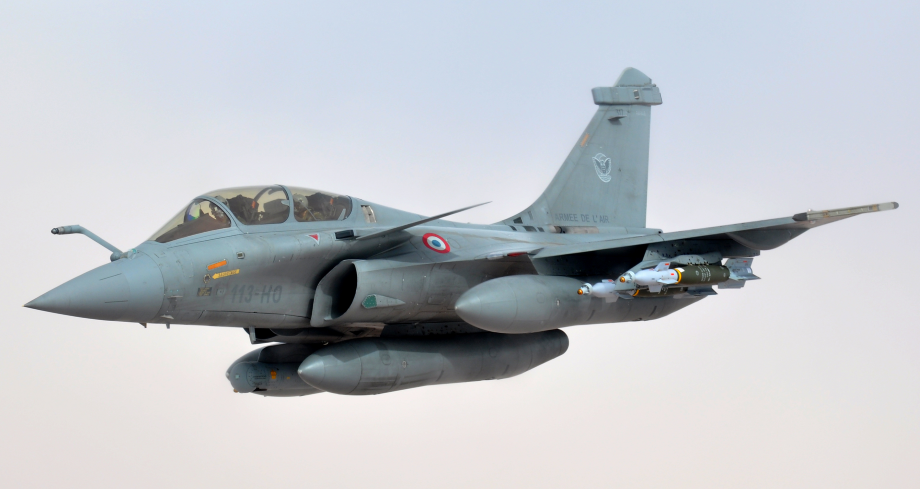
India is seeking greater operational independence for its Rafale fighter aircraft by pushing for the integration of indigenous weapons, including the Astra Beyond Visual Range Air-to-Air Missile (BVRAAM). The move is part of India’s ongoing negotiations with France for the proposed acquisition of 114 additional Rafale fighter jets for the Indian Air Force (IAF).
According to a report published by ThePrint on November 18, 2026, India has made independent weapons integration a key condition of the proposed procurement. This would allow the IAF to integrate and operate Indian-developed weapons on Rafale aircraft without requiring separate approval from foreign manufacturers.
The indigenous Astra missile is expected to be among the major beneficiaries of this arrangement. Developed by the Defence Research and Development Organisation (DRDO), Astra is designed to engage enemy aircraft beyond visual range, strengthening the air-to-air combat capabilities of India’s fighter fleet.
Under the proposed arrangement, the IAF could receive the technical capability and specialised ground support equipment required to independently test, calibrate and configure indigenous weapons. This would provide India with greater flexibility in selecting weapons according to its operational requirements.
The reported arrangement could also extend to India’s existing fleet of 36 Rafale fighter jets, allowing indigenous weapons integration across both the current and proposed aircraft fleets.
Another important requirement concerns the integration of Software-Defined Radio (SDR) technology into the additional Rafale aircraft. India wants these communication systems to exchange information securely and efficiently with different IAF platforms, irrespective of their country of origin.
This capability would support network-centric warfare by connecting fighter aircraft, radar systems, airborne surveillance platforms, unmanned aircraft and ground-based command centres. Through secure real-time information sharing, different military assets could coordinate operations and improve battlefield awareness.
The IAF’s approach is aimed at supporting its operational concept of allowing the platform that detects a target to share information with the most suitable platform for engagement. Such connectivity is increasingly important as modern air warfare depends on coordinated operations rather than individual aircraft capabilities alone.
Importantly, India’s demand does not include unrestricted access to the Rafale’s complete source code. Instead, the focus is on securing the necessary integration capabilities and communication interfaces while maintaining the aircraft’s existing software architecture.
The proposed 114-aircraft acquisition falls under the Multi-Role Fighter Aircraft (MRFA) programme. The Defence Acquisition Council granted Acceptance of Necessity for the procurement in February 2026. However, the proposal is still awaiting final government approval.
The estimated cost of the additional Rafale aircraft is approximately Rs 2.7 lakh crore. The proposed manufacturing arrangement includes substantial domestic production, with India’s indigenous content expected to increase to around 55-60 per cent over time. France is expected to supply the initial 18 aircraft in fly-away condition, while most of the remaining fighters would be manufactured in India.
India already operates 36 Rafale fighters acquired under the 2016 agreement with France. The Indian Navy has separately ordered 26 Rafale-M aircraft for carrier-based operations.
The push for Astra integration reflects India’s changing approach to defence procurement, with increasing emphasis on domestic weapons, technological flexibility and reduced dependence on foreign suppliers. If implemented, the proposed arrangements would strengthen India’s ability to customise its Rafale fleet and integrate homegrown defence technologies into advanced combat aircraft.