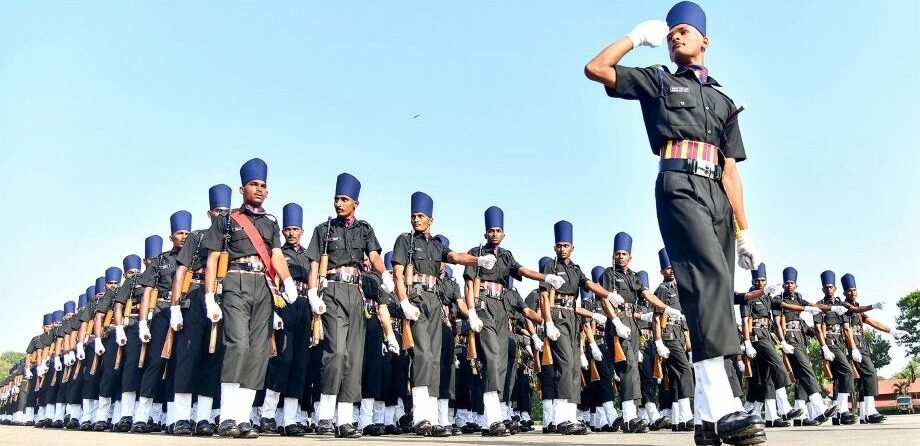
The Indian government has introduced significant changes to the Agnipath military recruitment scheme, creating a new pathway for all Agniveers to pursue permanent service in the armed forces. The decision marks a major development in the country’s military recruitment policy, particularly for young candidates who have expressed concerns about the limited four-year tenure under the original arrangement.
Under the revised framework approved by the Union Cabinet on Wednesday, November 4, 2026, the existing provision allowing 25 per cent of Agniveers to enter regular military service after completing their initial four-year engagement will remain in place. However, the remaining 75 per cent will now be offered an additional two-year period of service, giving them another opportunity to qualify for permanent absorption into the armed forces.
The government’s revised approach is intended to address concerns about retaining trained personnel and making better use of the resources invested in their military training. Defence officials have highlighted the performance, technical capabilities, physical fitness and motivation demonstrated by Agniveers during their service. According to the Defence Ministry, the changes follow an assessment of organisational requirements, operational efficiency and feedback from different stakeholders.
The additional two-year engagement will also provide improved remuneration and enhanced service benefits. Seniority provisions are expected to protect the position of personnel who transition into the regular cadre after completing the extended engagement. Defence officials have clarified that Agniveers who are willing to continue serving and meet the required standards of physical fitness and discipline will have an opportunity to become regular soldiers.
The policy change is particularly significant for states such as Uttar Pradesh, Punjab and Uttarakhand, which have historically contributed substantial numbers of personnel to India’s armed forces. Goa and Manipur are also among the states scheduled to hold Assembly elections in February-March 2027. The recruitment changes have therefore attracted considerable attention as the country approaches an important election period.
The announcement has also generated political debate. Opposition leaders have questioned the timing of the decision, suggesting that the government may be responding to concerns among young voters in states where military recruitment holds considerable importance. The government, however, has presented the changes as a policy decision based on military requirements and the need to improve the utilisation of trained manpower.
The Agnipath scheme was introduced in June 2022 to recruit young personnel into the Army, Navy and Air Force for a four-year period. Under its original structure, only up to 25 per cent of each batch could be retained in regular service, while the remaining personnel would complete their engagement and leave with a financial package. The arrangement attracted criticism from sections of aspiring candidates and veterans, particularly over employment security and the short duration of service.
The latest changes represent a substantial adjustment to that recruitment structure without formally withdrawing the Agnipath scheme. By introducing an additional engagement period and a further opportunity for permanent service, the government aims to balance the career expectations of young recruits with the long-term manpower requirements of the armed forces.
The effectiveness of the revised framework will ultimately depend on its implementation, eligibility standards and the armed forces’ organisational requirements. Nevertheless, the decision signals an important shift in India’s approach to military recruitment and the future career prospects of Agniveers.
-
-
-
-