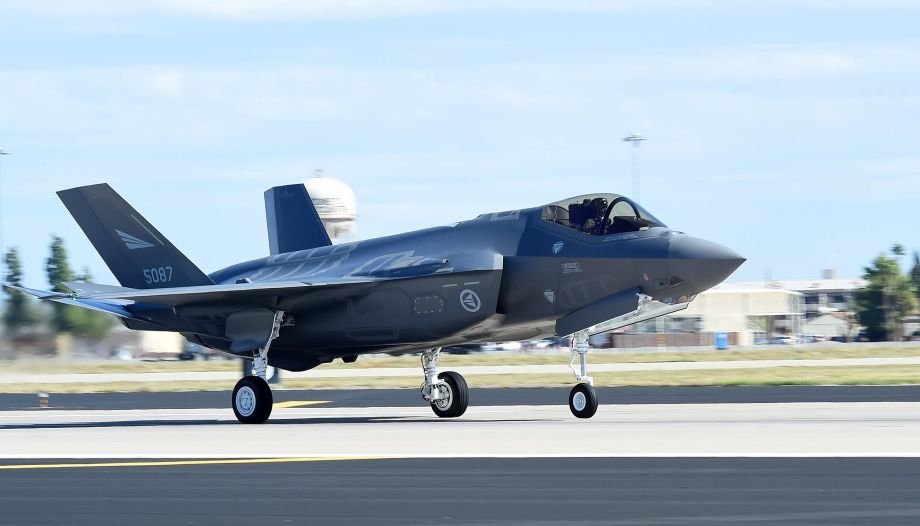
India has reportedly decided against moving forward with the United States’ offer of the F-35 Lightning II fifth-generation stealth fighter aircraft, choosing instead to continue its focus on indigenous defence development and long-term aerospace self-reliance.
The decision comes as India continues to reshape its military modernisation strategy with greater emphasis on domestic manufacturing, technology development, and reducing dependence on foreign defence platforms. While the F-35 is considered one of the world’s most advanced combat aircraft, India’s defence planners have prioritised platforms and partnerships that align with the country’s requirements for operational flexibility and strategic autonomy.
The American F-35 fighter aircraft is equipped with advanced stealth capabilities, sensor fusion technology, electronic warfare systems, and network-centric combat features. However, acquiring such a platform would involve significant financial commitments and long-term dependence on external support for maintenance, upgrades, and operational infrastructure.
India’s decision highlights its preference for developing a stronger indigenous fighter aircraft ecosystem through programmes such as the Advanced Medium Combat Aircraft (AMCA) and ongoing initiatives involving the Defence Research and Development Organisation (DRDO) and Hindustan Aeronautics Limited (HAL). These projects are aimed at building next-generation combat capabilities within the country while strengthening domestic aerospace manufacturing.
The move also reflects India’s broader defence policy of maintaining strategic independence while continuing cooperation with multiple global partners. Although New Delhi has expanded defence ties with the United States in recent years, including cooperation in military exercises, maritime security, and technology sharing, major acquisitions are evaluated based on technology access, operational requirements, and national security priorities.
The Indian Air Force is currently undergoing a major capability enhancement phase to strengthen its fleet with advanced fighter aircraft, improved weapons systems, and modern combat technologies. Alongside existing platforms and upcoming indigenous fighters, India aims to create a balanced force structure capable of addressing future security challenges.
The rejection of the F-35 offer signals India’s continued commitment towards building a self-reliant defence ecosystem while pursuing selective international partnerships that support its long-term military objectives. The country’s focus remains on developing advanced aviation capabilities at home and establishing itself as a major player in global defence technology.
-

-

-

-