India is moving closer to strengthening its conventional submarine fleet, with a proposal to construct three additional Kalvari-class (Scorpène) submarines gaining attention as part of the Indian Navy’s long-term modernisation plans. The proposed expansion is aimed at improving India’s underwater combat capabilities and maintaining its maritime presence across the strategically important Indian Ocean Region.
According to recent reports, the proposal involves building three additional submarines at Mazagon Dock Shipbuilders Limited (MDL) in Mumbai, with support from French defence company Naval Group. The estimated project cost is approximately ₹36,000 crore. The proposal is among two major submarine acquisition programmes currently awaiting final government clearance.
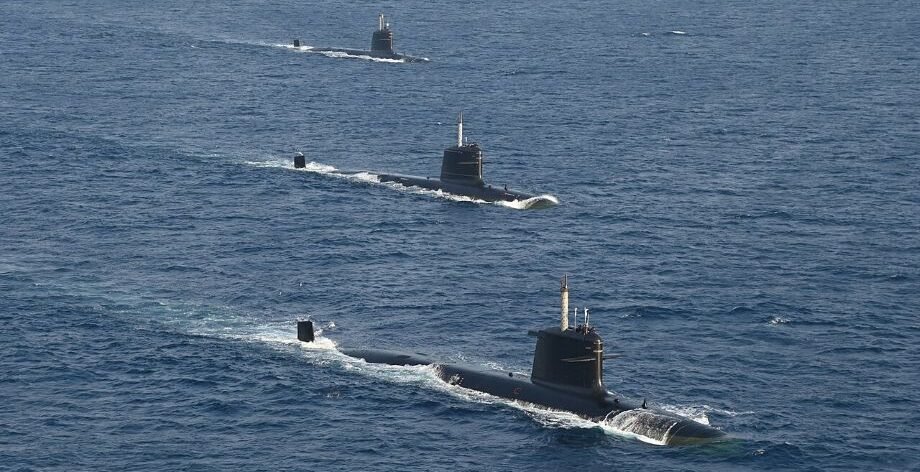
The existing Kalvari-class submarines are based on the French Scorpène design and were constructed in India under Project-75 through collaboration between MDL and Naval Group. The programme established important submarine-building capabilities within India’s domestic defence industry while providing the Indian Navy with modern conventional underwater platforms.
The Indian Navy currently operates six Kalvari-class submarines: INS Kalvari, INS Khanderi, INS Karanj, INS Vela, INS Vagir and INS Vaghsheer. These diesel-electric submarines are designed for multiple missions, including anti-surface warfare, anti-submarine warfare, intelligence gathering, surveillance and special operations.
The proposed construction of three additional submarines would build upon the experience and infrastructure developed during the original Project-75 programme. Using MDL’s established manufacturing facilities could help reduce the time and technical challenges associated with establishing an entirely new submarine production line. It would also provide further opportunities for Indian suppliers and defence manufacturers to participate in advanced naval manufacturing.
The Kalvari-class expansion is also linked to India’s broader requirement to maintain adequate conventional submarine strength. Several submarines in the existing fleet are ageing, making timely replacement and additional induction increasingly important. At the same time, growing submarine activity in the Indo-Pacific and the expanding naval capabilities of China and Pakistan have increased the importance of India’s underwater defence preparedness.
Alongside the proposed additional Scorpène submarines, India is pursuing Project-75(I), a separate programme involving the construction of six advanced conventional submarines in partnership with Germany’s Thyssenkrupp Marine Systems (TKMS) and MDL. Together, these two initiatives represent a significant effort to expand India’s underwater capabilities and strengthen domestic submarine manufacturing.
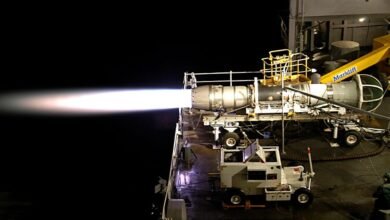
Another important development is India’s indigenous Air Independent Propulsion (AIP) technology, developed by the Defence Research and Development Organisation (DRDO). The system is designed to improve the underwater endurance of conventional diesel-electric submarines by reducing their dependence on atmospheric oxygen.
According to the Ministry of Defence, the AIP Energy Module entered its Setting to Work Phase-2 activities in October 2026. Following further testing and validation, it is expected to be handed over to MDL for integration into a Kalvari-class submarine in early 2027. This development represents an important step towards increasing the operational endurance of India’s conventional submarine fleet.
Press Information Bureau
However, the proposed acquisition of three additional Kalvari-class submarines should not be confused with a completed purchase. The project remains subject to the necessary government approvals, and a final contract and construction schedule have not yet been officially announced.
If approved and implemented, the programme would strengthen the Indian Navy’s conventional submarine capabilities while supporting India’s broader objectives of defence indigenisation, advanced manufacturing and long-term maritime security.