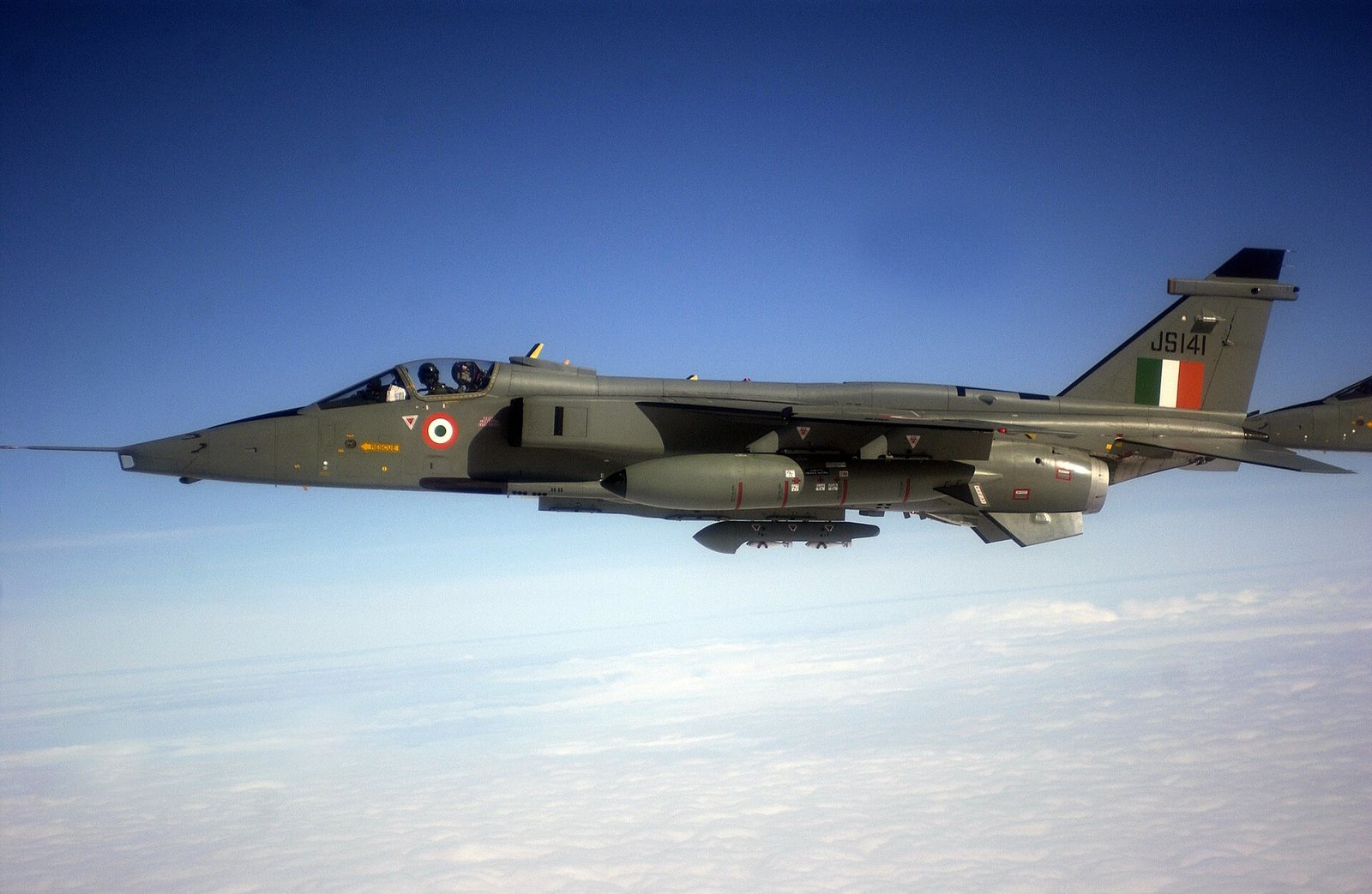
India has secured nine decommissioned Jaguar fighter-bombers from the United Kingdom to bolster operational capacity of its strike squadrons, according to reports. The acquisition addresses the pressing need to maintain combat strength as the Indian Air Force transitions towards indigenous and next-generation platforms.
The Jaguar has served as a cornerstone of India’s ground attack capability since the 1970s. Licensed production by Hindustan Aeronautics Limited (HAL) resulted in 118 aircraft being built domestically, designating them as Shamsher in Indian service. The platform combines robust low-level penetration capability with a potent weapons load suited to strike missions across varied terrain and weather conditions.
The induction of refurbished airframes from UK sources extends the operational longevity of existing Jaguar squadrons without the resource intensity of new-build procurement. The UK Royal Air Force retired its Jaguar fleet in 2007, making refurbished examples available for allied air forces. The aircraft’s modular construction and proven reliability in Indian operations have sustained its utility across multiple modernisation cycles.
India currently operates approximately 120 Jaguar aircraft across dedicated strike squadrons. While the Indian Air Force is progressively introducing the Tejas light combat aircraft and the Rafale multi-role fighter, the Jaguar remains integral to maritime strike, close air support, and deep penetration missions. Its avionics have been progressively upgraded through indigenous and foreign integration programmes to maintain relevance against evolving threat environments.
The acquisition reflects India’s pragmatic approach to fleet management: sustaining combat squadrons through carefully sourced legacy platforms while long-term modernisation programmes mature. The Air Force has historically maximised platform availability through component harvesting and engineering support from HAL, ensuring that older airframes can be restored to operational standard.
Defence procurement in India increasingly balances immediate operational needs against capital-intensive new-build timelines. Securing pre-owned military aircraft from allied nations has proven an effective interim measure to prevent squadron strength erosion. The nine UK Jaguars will be integrated into existing maintenance and logistics ecosystems already established across Indian Air Force bases.
This acquisition underscores India’s continued reliance on the Jaguar platform even as the Air Force manages a 30-year transition toward fifth-generation and advanced fighter architectures. The aircraft’s proven performance in multiple operational theatres, from the Kargil conflict to counter-terrorism missions in the Northeast, has sustained institutional confidence in its deployment.
-

-

-

-