
China’s Pacific Missile Test Alarms US, Allies; India Tracks Strategic Implications

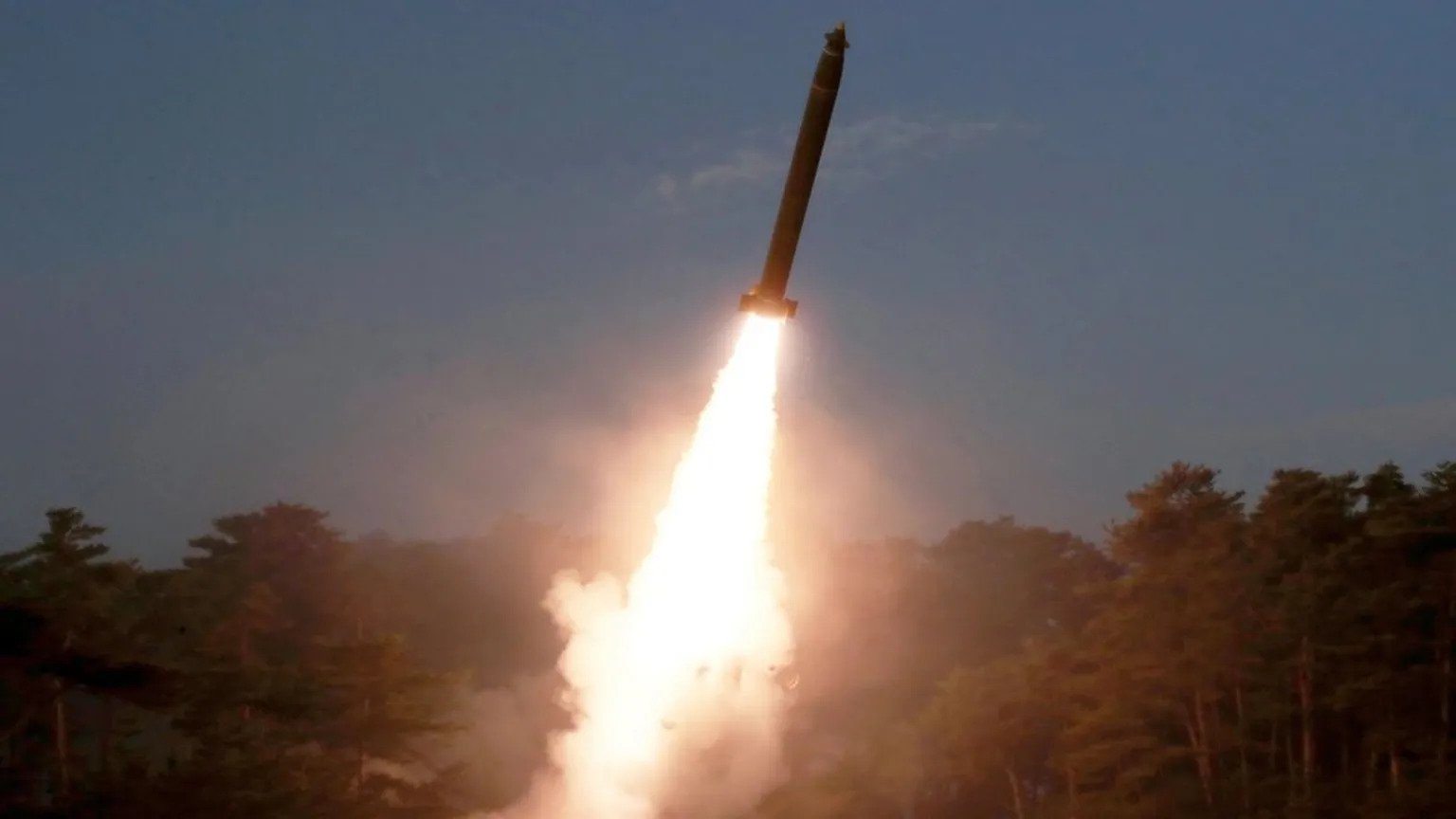
China has conducted a significant missile test in the Pacific, drawing close attention from the United States and its regional allies over the technological capabilities and strategic implications of the launch.

The test has raised concerns in Washington and allied capitals regarding the weapon system’s range, precision, and potential to influence the military balance across one of the world’s most strategically contested maritime regions. Defence analysts are continuing to assess the platform’s characteristics, operational role, and the broader implications for regional security.

For India, developments in China’s missile programme carry direct strategic significance. New Delhi has consistently monitored Beijing’s expanding inventory of precision-guided weapons, cruise missiles, and anti-ship systems as part of its broader assessment of the evolving security environment across the Indo-Pacific and the Indian Ocean region.

India’s own missile development programme, led by the Defence Research and Development Organisation (DRDO), reflects a similar focus on extended strike range, multi-platform launch capability, and advanced terminal guidance technologies. Systems such as the BrahMos supersonic cruise missile, the Agni series of ballistic missiles, and the operational Pralay quasi-ballistic missile demonstrate India’s emphasis on maintaining a credible and modern deterrence capability.

China’s periodic testing of advanced missile systems serves multiple strategic purposes, including validating technological advancements, evaluating operational performance, and signalling military capability to both domestic and international audiences. The Pacific remains central to Beijing’s strategic planning, where it regularly faces the presence of the US Navy and allied maritime forces from Japan, South Korea, Australia, and increasingly India through the broader Indo-Pacific framework.

India has also expanded its engagement in the Pacific through naval deployments and participation in multilateral exercises such as Malabar, alongside the United States, Japan, and Australia. These exercises focus on advanced naval warfare, integrated air defence, anti-submarine operations, and interoperability among partner navies.

The missile test comes amid continuing regional tensions surrounding Taiwan and competing territorial claims in the South China Sea. Military developments in the region are being closely watched by Indo-Pacific nations as they assess their impact on regional stability and strategic deterrence.

India continues to view these developments through the lens of maintaining strategic autonomy while strengthening partnerships with countries including the United States, Japan, and Australia under the Quad framework. New Delhi’s approach seeks to enhance regional security cooperation while preserving its independent defence and foreign policy objectives.

Exit mobile version